タグ: DNApower

  • DNApower Review 2026: Is a Wellness-Focused DNA Test Worth It?

    DNApower Review 2026: Is a Wellness-Focused DNA Test Worth It?

    Affiliate Disclosure: This post contains affiliate links. If you buy through one of them, we may earn a small commission — at no extra cost to you. We only recommend kits we’ve actually researched and would suggest to a friend.

    A DNA Test That Isn’t About Your Ancestors

    Most DNA kits are chasing the same story: where did your family come from, and who else out there shares your DNA. DNApower skips that question entirely. No ethnicity breakdown, no relative matching — just a look at what your genes suggest about diet, fitness, and how your body handles day-to-day stressors.

    That’s a different enough pitch that I wanted to see whether it actually delivers, or whether “wellness DNA testing” is mostly marketing dressed up in science language.

    Who Should Skip This One

    A few honest exceptions before we dig in:

    If you’re looking for an ancestry test — ethnicity percentages, relative matches, family tree building — this isn’t that kit at all. You’ll want AncestryDNA, MyHeritage, or Living DNA instead.

    If you want a clinical diagnosis or medical-grade health screening, DNApower doesn’t claim to offer that, and you shouldn’t treat it as a substitute for actual medical testing.

    And if you’re skeptical of genetic wellness claims in general — the science behind nutrigenomics is still evolving, and results here are more “directional” than definitive — it’s worth going in with tempered expectations either way.

    Otherwise, here’s what you’re actually getting.

    How the Test Works

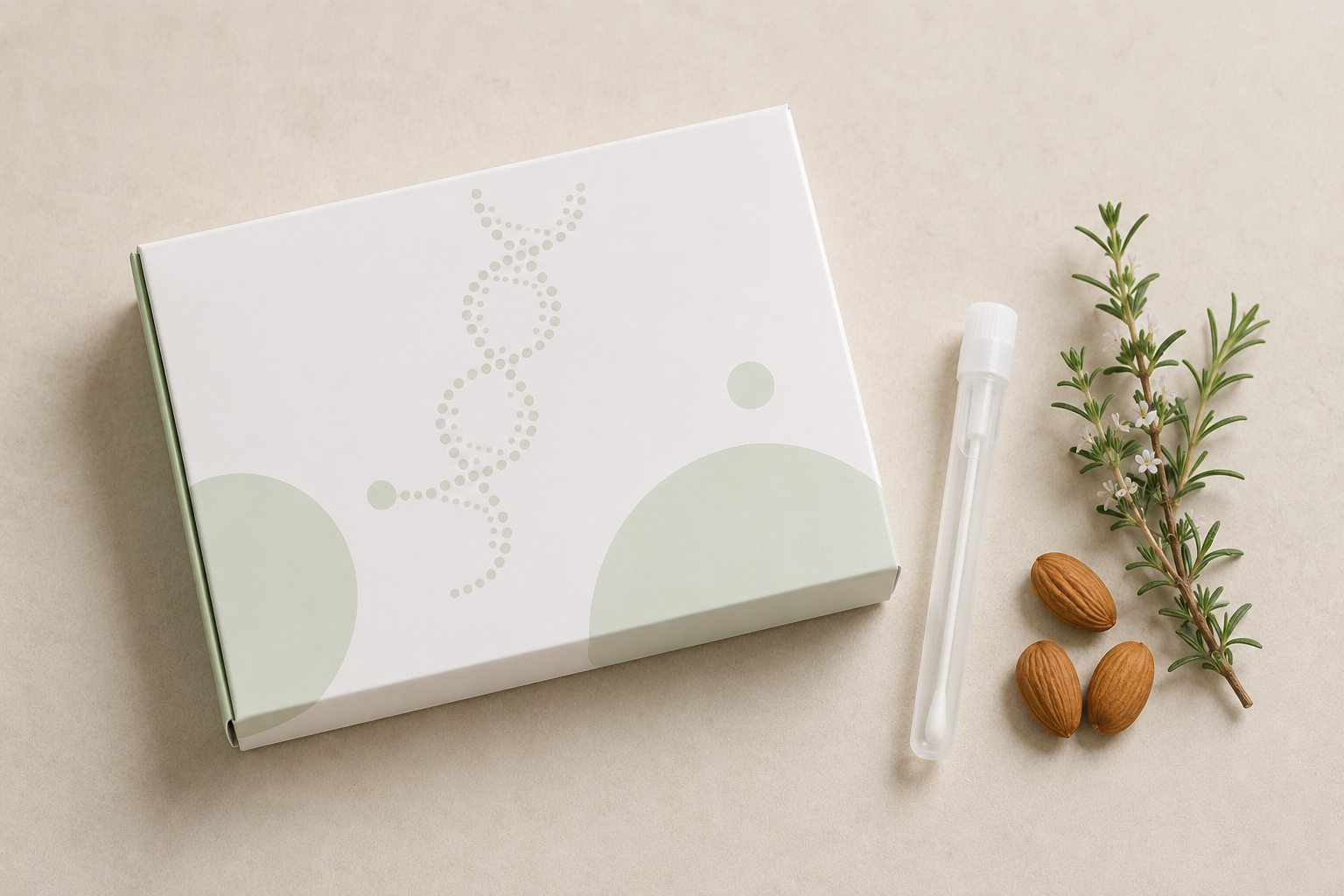
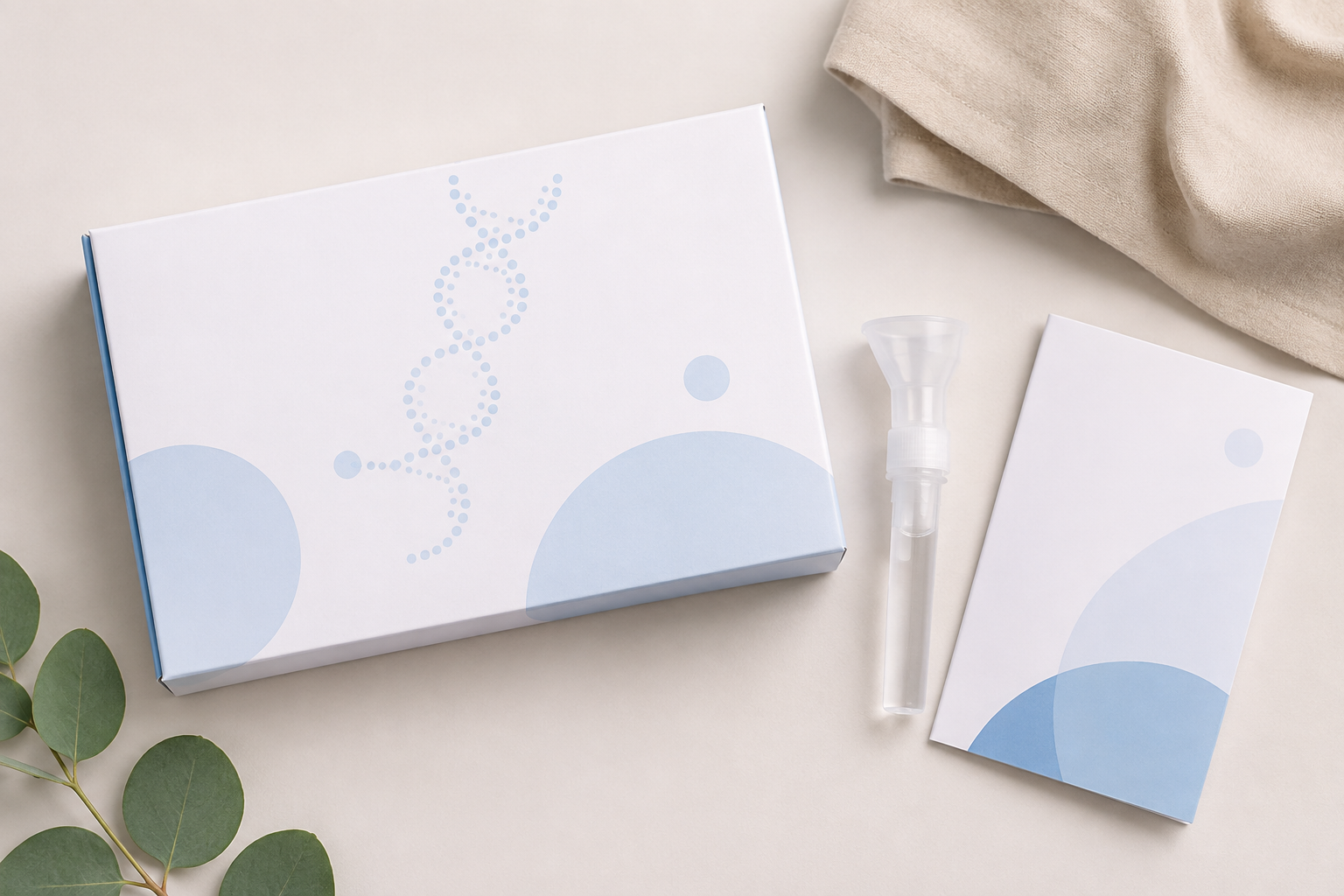
    The process starts with a cheek swab kit ordered online. You register your kit, swab both cheeks, and mail the sample to their Canadian lab for processing.

    Turnaround is one of DNApower’s strongest selling points — results typically land in two to three weeks, noticeably faster than most ancestry-focused competitors. Once ready, you get access to a detailed report, and depending on the package, a consultation call to walk through what the results actually mean for your day-to-day choices.

    What DNApower Actually Gets Right

    It’s genuinely fast

    Two to three weeks is quick by industry standards. If you’ve been put off by other companies’ six-to-eight week waits, this is a meaningful difference, especially if you’re eager to start applying whatever insights come back.

    The reports go deep on specific categories

    Rather than a vague “eat healthier” summary, DNApower’s reports break down specific genetic markers tied to things like carbohydrate sensitivity, caffeine metabolism, vitamin absorption, and exercise response. For someone who likes specifics over generalities, this level of detail is a genuine strength.

    The consultation call adds real value

    Unlike a lot of DNA kits that just hand you a PDF and wish you luck, the higher-tier DNApower packages include a session with a health consultant to walk through your results. Translating “you may have reduced folate metabolism” into an actual dietary change is where a lot of DNA reports fall short — this step helps close that gap.

    Data handling is clearly stated

    DNApower is explicit that it doesn’t sell genetic data to insurance companies or third parties, and processing happens through a CLIA-certified lab, which is a meaningful baseline of quality assurance for this kind of testing.

    Where It Falls Short

    No ancestry features at all

    If any part of you also wants to know where your family came from, you won’t get that here — not even as an add-on. This is purely a wellness product.

    Smaller, more specialized database

    Because DNApower isn’t in the business of relative matching, “database size” doesn’t matter the same way it does for ancestry kits — but it also means you can’t upload your data elsewhere for genealogy purposes the way you could with a mainstream ancestry test.

    Pricing adds up with add-ons

    The base test is reasonably priced, but the more comprehensive reports and consultation packages push the total cost higher — worth comparing against what you actually plan to use versus what looks appealing on the product page.

    The science is still young

    Nutrigenomics — using genetics to guide diet and lifestyle choices — is a developing field. Some of the associations DNApower reports on are well-established; others are based on emerging research. Treat the results as a starting point for conversation with a doctor or dietitian, not a final verdict.

    What You’re Actually Paying For

    DNApower’s pricing scales with how much detail you want. The core reports cover individual categories (diet, fitness, and so on), while bundled packages combine several areas at a discount and often include the consultation call. Sales and seasonal promotions can meaningfully reduce the bundled price.

    👉 Check current DNApower pricing

    So, Is It Worth It?

    If you’re specifically interested in wellness-oriented genetic insights — not ancestry — and you like the idea of a fast turnaround plus an actual conversation about your results, DNApower is a solid option in a fairly narrow niche.

    If you were hoping for ancestry information alongside the health data, or you want the most scientifically rigorous option available, this won’t be a perfect fit — but for what it sets out to do, it delivers.

    Frequently Asked Questions

    Is DNApower the same as an ancestry DNA test? No. DNApower focuses entirely on wellness-related genetic markers — diet, fitness, and lifestyle traits — with no ethnicity breakdown or relative matching.

    How long does DNApower take? Typically two to three weeks from when the lab receives your sample, faster than most ancestry-focused competitors.

    Does DNApower sell my genetic data? The company states it does not sell genetic data to insurance companies or third parties, and testing is processed through a CLIA-certified lab.

    Final Take

    DNApower knows exactly what it is: a fast, detail-oriented wellness DNA test with a human consultation layered on top. It’s not competing with AncestryDNA or 23andMe, and it doesn’t try to. If wellness insights are what you’re after, this is one of the more thoughtfully built options in that specific space.
    👉 See current DNApower offers

  • The Best DNA Testing Kits in 2026: An Honest Comparison

    The Best DNA Testing Kits in 2026: An Honest Comparison

    Affiliate Disclosure: This post contains affiliate links. If you buy through one of them, we may earn a small commission — at no extra cost to you. We only recommend kits we’ve actually researched and would suggest to a friend.

    Too Many Tabs Open, Too Little Clarity

    A few years ago, I had three browser tabs open at once.

    Each one promised something different. “Unlock your ancestry.” “Discover your health risks.” “Find relatives you never knew existed.” The marketing all blurred together, the prices jumped around for no obvious reason, and every review site seemed to crown a different winner.

    Sound familiar?

    Maybe you want to trace your family tree. Maybe a relative gifted you a kit and you’re wondering if it’s worth the spit. Or maybe you’re just quietly curious. Whatever brought you here — this guide is for figuring out which kit actually fits you, not just which one has the loudest ad campaign.

    First, a Quick Reality Check

    Before you keep reading, a few honest exceptions:

    If you need results for a court case, custody dispute, or immigration paperwork — none of the kits below will work. You need an accredited legal testing service, full stop.

    If you’re hoping for a medical diagnosis, these kits aren’t that either. They’re a starting point, not a substitute for genetic counseling.

    And if the idea of a company holding your genetic data for years makes you uneasy no matter what — that’s worth sitting with before you buy anything at all.

    Still here? Good. Let’s get into it.

    How DNA Ancestry Tests Actually Work

    Before comparing brands, it helps to know what’s actually happening inside that little tube.

    Most consumer kits use a saliva sample or cheek swab. The lab extracts your DNA and runs it through a process called genotyping — essentially scanning hundreds of thousands of specific points across your genome, rather than sequencing the entire thing. Each company compares your results against its own reference panel: a database of DNA samples from people with known, documented ancestry.

    This is the part that explains why results vary between companies. If a brand’s reference panel is heavy on Western European samples, that’s where its estimates will be sharpest. Thinner data for other regions means blurrier, more general results. It’s not that one company is “wrong” — they’re just working from different maps.

    The same logic applies to relative matching. You’re only matched with people who’ve also tested with that specific company. A cousin who tested with a competitor simply won’t show up, no matter how closely you’re related. That’s why some people upload their raw data to multiple platforms — more on that later.

    What I Actually Looked At

    I didn’t just rank the biggest logos. Three things mattered most:

    Accuracy and database size. A DNA test is only as good as what it’s compared against — bigger, more diverse databases mean sharper results and more potential relative matches.

    Real value, not just the sticker price. Some kits look cheap until you realize the good stuff is locked behind an upsell — a subscription, a health add-on, or a “premium” report tier.

    How they treat your data. Storage, third-party sharing, and how easily you can walk away later if you change your mind. This matters more in this category than almost any other kind of purchase — you can return a bad blender, but you can’t take back your genetic data once it’s out there.

    At a Glance

    KitBest ForStarting PriceDatabase SizeHealth ReportsTurnaround
    AncestryDNAFamily tree building$$LargestAdd-on3–4 weeks
    23andMeAncestry + health combo$$$Very largeIncluded (higher tiers)3–5 weeks
    MyHeritage DNAEuropean/international roots$LargeAdd-on3–4 weeks
    Living DNADetailed regional breakdown$$MediumWellbeing add-on6–8 weeks
    FamilyTreeDNASerious genealogists$$MediumNot the focus4–6 weeks
    DNApowerWellness-focused testing$$SmallerIncluded2–3 weeks

    (Prices shift with promotions — always double-check on the provider’s site.)

    The Kits, One by One

    AncestryDNA — the genealogist’s default

    Ask around, and this is usually the first name that comes up. There’s a reason for that.

    The database is enormous — the largest of any consumer DNA testing company. That matters more than it sounds. It’s the difference between finding one distant cousin and finding a whole branch of family you never knew existed. Pair that with deep ties to historical records — census data, immigration papers, military records — and building an actual family tree stops feeling impossible.

    The ethnicity estimate itself is solid, if not the most granular on this list. What sets AncestryDNA apart isn’t just the percentages; it’s what you can do with them once you start attaching DNA matches to an actual family tree. Hints start surfacing on their own — a shared ancestor here, a record match there — and the research almost does itself.

    Where it falls short: health insights aren’t included, and full access to those historical records means an ongoing subscription. The DNA kit is a one-time cost, but the real power of the platform lives behind that paywall. Still, if genealogy is the goal, this is where I’d start.

    👉 Check current AncestryDNA pricing

    23andMe — two questions, one kit

    Some people don’t want to choose between “who am I descended from” and “what should I know about my health.” 23andMe lets you skip the choice.

    It’s clean, beginner-friendly, and genuinely useful if you want both angles covered without buying two separate kits. The health reports cover things like carrier status for certain inherited conditions and genetic predispositions, presented in a way that doesn’t require a biology degree to understand.

    The tradeoff is price — the Health + Ancestry tier isn’t cheap — and it’s worth reading their current privacy policy before you commit, since data handling has been a recurring conversation around this brand over the years. That doesn’t mean avoid it; it means go in informed.

    MyHeritage DNA — strong roots in Europe

    If your family story points toward Europe — or Jewish ancestry specifically — this one tends to punch above its weight. The regional detail is sharper here than with some bigger competitors, particularly for Ashkenazi Jewish, Italian, and Eastern European backgrounds, and the price point makes it an easy entry.

    It also bundles solid family tree tools directly into the experience, so building your tree and reviewing DNA matches doesn’t feel like switching between two different products.

    The catch: fewer total matches than AncestryDNA’s database, health data costs extra, and support can be slow to respond, especially during sale periods. Worth it if your roots line up with their strengths.

    👉 Check MyHeritage DNA pricing

    Living DNA — depth over breadth

    This is the kit for people who don’t just want “you’re 20% Irish” — they want which part of Ireland.

    Living DNA’s regional breakdown, especially across the UK and Ireland, goes further than most competitors bother to. It’s also one of the few kits that tests autosomal, Y-DNA, and mitochondrial DNA together, giving you a fuller picture of both paternal and maternal lines in one purchase. On top of that, it takes privacy seriously — consent and data deletion options are clear, not buried in a settings menu.

    The cost is a smaller database overall and a longer wait for results — six to eight weeks isn’t nothing, and some users report it stretching closer to twelve.

    If your ancestry sits mostly outside the UK and Europe, you’ll likely get more mileage elsewhere.

    👉 See Living DNA kit details

    FamilyTreeDNA — for people already deep in it

    Not everyone wants a casual ancestry snapshot. Some people want to trace a paternal line back generations, or connect with a surname project that’s been running for years. That’s this kit’s whole reason for existing.

    It’s especially strong for Y-DNA and mitochondrial DNA testing — the kind of specialized analysis that serious genealogists use to confirm or rule out specific family branches. There’s also an active community angle: surname projects and haplogroup groups where researchers compare notes.

    The interface feels a little behind the times, and it’s not the place to look for health insights. But for serious genealogists, the specialized testing here is hard to beat.

    DNApower — fast, and focused on wellness

    If ancestry isn’t really the point — you’re curious about wellness-related traits and want an answer quickly — DNApower moves faster than almost anyone else on this list, often two to three weeks.

    Reports lean toward nutrition, fitness, and lifestyle-related genetic markers rather than ethnicity breakdowns or relative matching. It’s a different kind of DNA test entirely, closer to a personalized wellness report than a genealogy tool.

    The database is smaller, so don’t expect deep ancestry detail. But for a fast, health-leaning read, it does exactly what it promises.

    👉 See DNApower pricing

    A Few Things Worth Knowing Before You Order

    Your raw data can travel. Most companies let you download your raw DNA file and upload it to third-party tools for additional matching or analysis. If budget is tight, this can stretch a single test further — test with one company, then upload elsewhere for a second opinion on matches.

    Results can shift over time. As reference databases grow and get more diverse, your ethnicity percentages may change on their own, sometimes years after your original test. That’s normal, not a sign something went wrong the first time.

    Free trials and gift pricing move fast. Nearly every company on this list runs frequent sales, especially around major holidays. If you’re not in a rush, waiting for a sale can meaningfully lower the price.

    So, Which One Fits You?

    • Building out a full family tree → AncestryDNA
    • Want ancestry and health together → 23andMe
    • European or Jewish heritage → MyHeritage DNA
    • UK/Ireland roots, or want real regional detail → Living DNA
    • Already serious about genealogy research → FamilyTreeDNA
    • Mostly curious about wellness, want it fast → DNApower

    There’s no universal winner here — just the kit that answers your question.

    Frequently Asked Questions

    How accurate are DNA ancestry tests? Accuracy depends heavily on which populations are well-represented in a company’s reference database. Broad regional estimates (like “Northern European”) tend to be reliable; very specific claims can shift as databases grow.

    Can I take more than one test? Yes, and many people do. Testing with two companies gives you access to two separate match databases, which can surface relatives you’d otherwise never find.

    Is my DNA data safe? Reputable companies encrypt stored data and let you control sharing settings, but no system is risk-free. Read the privacy policy before testing, and know that you can typically delete your data and withdraw consent later if you change your mind.

    Do I need a subscription to use these kits? Not always. The DNA kit itself is usually a one-time purchase. Deeper features — like full historical record access on AncestryDNA — often require an ongoing subscription.

    Before You Buy

    Here’s the thing I wish someone had told me before I opened those three tabs: the hard part was never picking a brand. It was figuring out what I actually wanted to know.

    So take a minute first. Ancestry? Health? Both? Once that’s clear, the rest of this decision practically makes itself.

    Prices on these kits move around constantly with sales, so it’s worth a quick check before you commit to one.