Affiliate Disclosure: This post contains affiliate links. If you buy through one of them, we may earn a small commission — at no extra cost to you. We only recommend kits we’ve actually researched and would suggest to a friend.
Your “Definitely a Lab Mix” Might Not Be
Rescue dogs come with a lot of guesswork attached. The shelter paperwork says “Lab mix,” the vet nods along, and everyone just kind of agrees based on how the dog looks. Dog DNA tests exist to replace that guesswork with an actual answer — and the results genuinely do surprise people more often than you’d expect.
Here’s how these tests actually work, what they’re good for, and where the limits are.
How Dog DNA Testing Actually Works
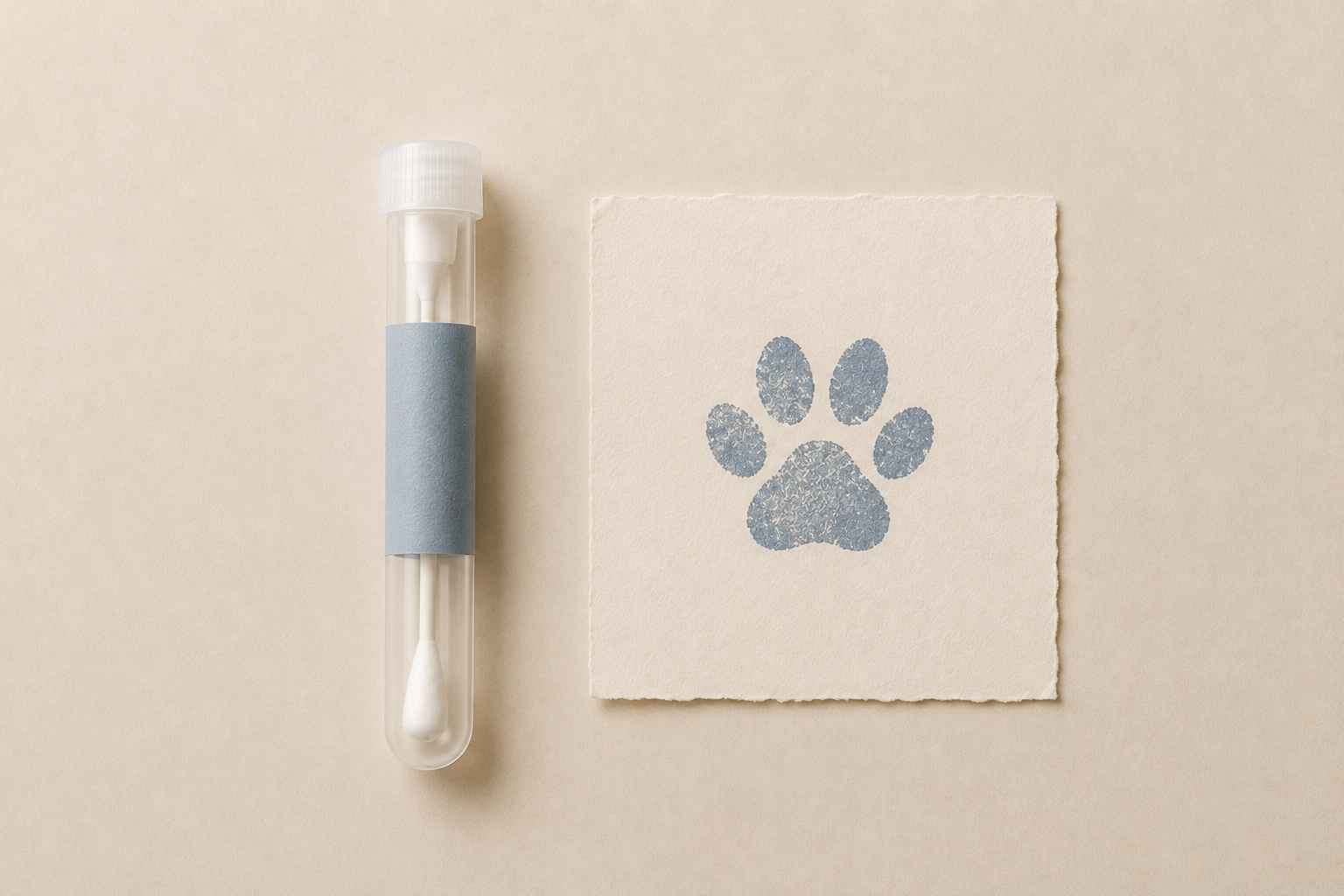
The process mirrors human ancestry testing closely: a cheek swab sample gets compared against a reference database of known dog breeds. The bigger and more detailed that reference database, the more precise the breed breakdown — same underlying logic as human ancestry kits, just applied to canine genetics instead.
Most tests report results as a percentage breakdown by breed, sometimes going back multiple generations (great-grandparent level) for mixed breed dogs with more complex ancestry.
What a Breed Breakdown Actually Tells You
It explains behavior patterns that seemed confusing before. A dog assumed to be a Lab mix that turns out to have significant Border Collie ancestry suddenly makes a lot more sense if it’s been herding the kids around the yard and needs way more mental stimulation than a typical Lab.
It can flag breed-related health considerations. Certain breeds carry known predispositions to specific health conditions. Knowing your mixed-breed dog carries meaningful ancestry from a breed prone to a particular condition can be useful context to bring to your vet, even though it’s not a diagnosis.
It satisfies genuine curiosity. For a lot of owners, this is simply the main draw — finally getting a real answer instead of a shelter’s best guess.
What It Doesn’t Tell You
It’s not a substitute for veterinary care or diagnosis. Some tests include health marker screening for specific genetic conditions, but this is different from a full veterinary workup, and any flagged results are worth discussing directly with a vet rather than acting on independently.
Breed doesn’t determine personality on its own. Breed ancestry influences tendencies, not guarantees. Individual temperament, training, and environment matter enormously alongside genetics — a dog with significant guarding-breed ancestry isn’t automatically going to behave a certain way regardless of how it was raised.
Results depend on the company’s reference database. Just like human ancestry tests, dog DNA companies vary in how many breeds they include and how deep their reference data goes for less common breeds. A company with a smaller database may report a breed as “unknown mixed ancestry” simply because it lacks sufficient reference samples, not because that ancestry doesn’t exist.
What to Look for When Choosing a Kit
Breed database size. More breeds in the reference database generally means more precise results, particularly for less common breeds that smaller databases might miss entirely or lump into a generic “mixed breed” category.
Whether health screening is included. Some kits focus purely on breed identification; others include screening for specific genetic health markers relevant to certain breeds. Decide which you actually want before comparing prices, since health-inclusive kits typically cost more.
Turnaround time. Similar to human kits, processing time varies by company — typically two to four weeks, though this can extend during busier periods.
Sample collection method. Nearly all dog DNA tests use a simple cheek swab, which is generally easy even with a wiggly, uncooperative dog, though a calm moment (like right after a walk) tends to make collection smoother.
A Few Practical Collection Tips
Getting a clean sample from a dog is a little different than from a compliant human. Try to collect the swab when your dog hasn’t eaten or had water in the last 30 minutes or so, similar to human sample guidelines, and aim for a calmer moment rather than right after an exciting walk or play session when there’s more saliva and movement to work around.
If you have multiple dogs, label everything clearly and collect one dog’s sample at a time in a separate space if possible — mixed-up samples between pets is a more common mistake than people expect, especially in a busy multi-dog household.
Frequently Asked Questions
How accurate are dog DNA breed tests? For breeds well-represented in a company’s reference database, accuracy is generally solid. Results for rare or less common breeds tend to be less precise, similar to how human ancestry tests vary in accuracy depending on regional database depth.
Can a dog DNA test diagnose a health condition? No. Some tests screen for genetic markers associated with certain conditions, but this is informational, not diagnostic — any concerning results are worth discussing with a veterinarian rather than treating as a standalone diagnosis.
Why did my dog’s results change slightly when I retested with a different company? Different companies use different reference databases, so breed percentages can vary somewhat between companies, similar to how human ethnicity estimates differ slightly across ancestry testing brands.
The Bottom Line
A dog DNA test won’t tell you everything about your pet, but it often replaces years of guesswork with a genuinely useful answer — one that can explain a confusing behavior pattern, flag a health consideration worth mentioning to your vet, or simply satisfy the curiosity that’s been nagging at you since the day you brought your “definitely a Lab mix” home.
Curious about what your own DNA might reveal? Check out our comparison of the top human DNA testing kits to see which one fits your goals.