Affiliate Disclosure: This post contains affiliate links. If you buy through one of them, we may earn a small commission — at no extra cost to you. We only recommend kits we’ve actually researched and would suggest to a friend.
A Reasonable Question Nobody Really Answers Upfront
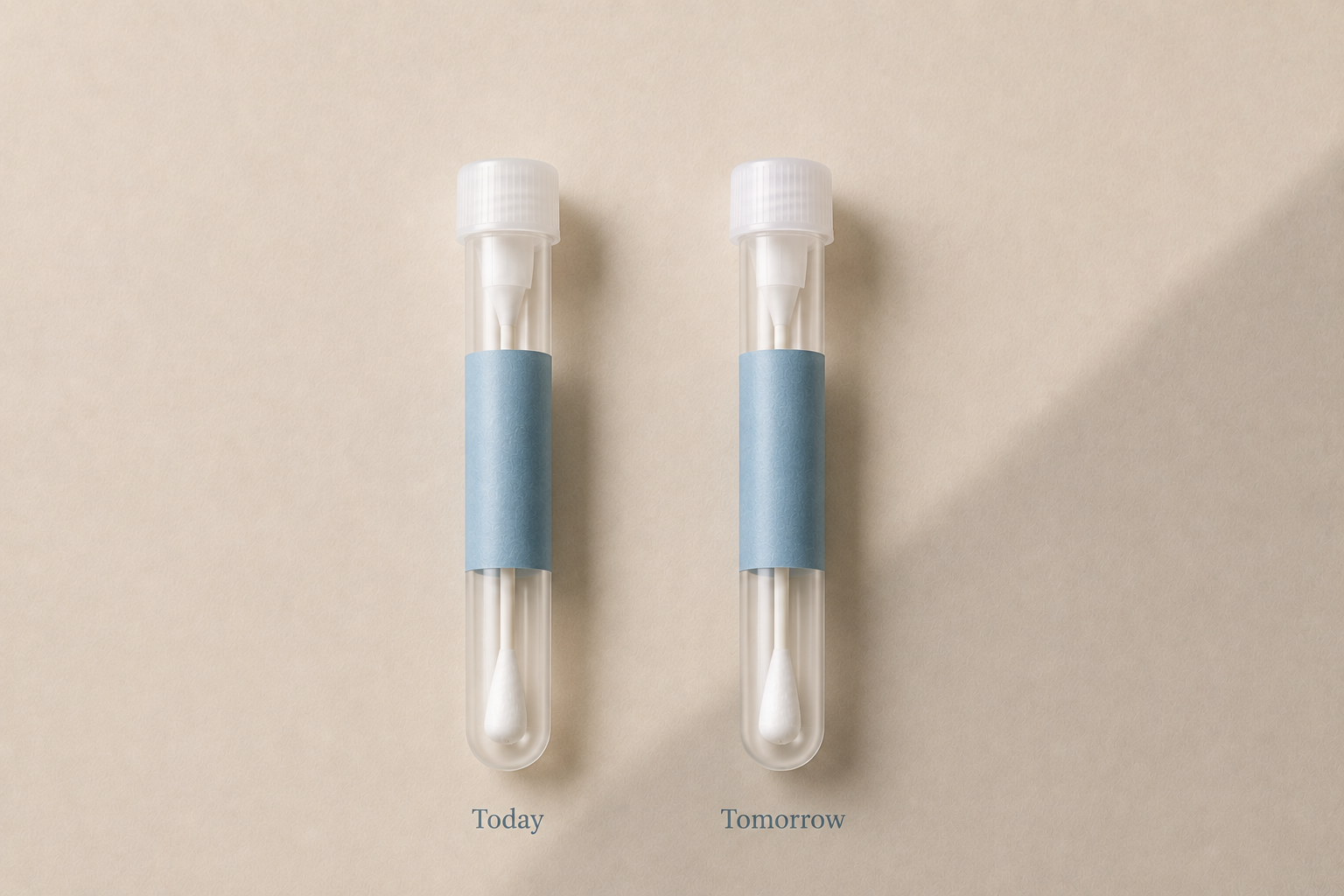
You’ve probably wondered this at some point, especially if you’ve seen someone mention their ethnicity percentages shifted after a year or two: if you sent in a second sample to the same company tomorrow, would you get the exact same numbers back? The honest answer is more nuanced than a simple yes or no, and understanding why can save you some genuine confusion down the road.
The Short Answer: Mostly Yes, With a Few Exceptions
Your actual raw DNA data — the underlying genetic code the lab reads — doesn’t change. If you tested with the same company twice using two separate samples, the raw genetic reading itself would be effectively identical, since it’s reading the same DNA both times. This part is genuinely stable and reliable.
What can differ between a first test and a retest, sometimes noticeably, is the interpretation layered on top of that raw data — specifically your ethnicity percentages and, in some cases, health-related risk calculations.
Why Ethnicity Percentages Specifically Can Shift
This comes down to how ethnicity estimates are actually calculated. Your raw DNA is compared against a reference database — a collection of DNA samples from people with well-documented ancestry from specific regions. As companies test more people and refine their reference panels over time, the underlying comparison data improves, and estimates get recalculated against that improved data.
This means if you retested a year or two later, your ethnicity breakdown could genuinely come back somewhat different — not because your original test was wrong, or because the retest is more accurate in some absolute sense, but because the comparison data itself has evolved. It’s closer to updating a map with better surveying data than correcting an error.
What About Retesting on the Same Day or Same Week?
If you sent in two samples close together, before any reference database update occurred, results would typically be extremely consistent — small variations are possible due to normal technical variance in lab processing, but nothing that would meaningfully change your overall picture.
Does This Apply to DNA Matches Too?
Relative matches are generally more stable than ethnicity percentages, since they’re based on directly comparing shared DNA segments with other testers rather than a broader statistical estimate. That said, your match list can genuinely grow over time as more people join the same company’s database — which isn’t your results “changing” so much as the pool of people you’re being compared against expanding.
What About Wellness or Health-Related Results?
For wellness-focused tests like DNApower, the underlying genetic markers being read are stable in the same way ancestry data is — your genetic code doesn’t change. However, as research on specific gene-trait or gene-condition associations develops over time, companies occasionally update how they interpret certain markers, which could theoretically affect how a report is worded or categorized in a future version, even though the raw genetic finding itself hasn’t changed.
Is It Worth Retesting With the Same Company?
For most people, no — not specifically to check for consistency. Since your raw DNA doesn’t change, there’s little value in paying for a second kit from the same company purely to verify your first results are “correct.” A more useful reason to retest would be checking back in on your existing account after a few years to see if your ethnicity estimate has been updated with improved reference data, which most companies do automatically without requiring a whole new sample.
Testing with a different company, on the other hand, is a genuinely different situation — since each company uses its own separate reference database and matching pool, testing with a second company can provide new information (different regional detail, access to a different set of potential relatives) rather than simply confirming what you already know.
A Practical Takeaway
If your ethnicity percentages shift after a year or two, that’s a sign your testing company’s reference database has grown and improved — not a sign something went wrong with your original test. If you’re specifically hoping for more precision or a different set of relative matches, testing with a different company (or uploading your raw data to a platform that accepts it) is generally a more productive use of your money than retesting with the same one.
Frequently Asked Questions
Will my DNA test results ever expire or need updating? Your raw genetic data doesn’t expire, but most companies periodically recalculate your ethnicity estimate as their reference databases improve, which happens automatically without needing a new sample.
Is it worth paying for a second kit from the same company to double-check accuracy? Generally not necessary, since your raw DNA reading doesn’t change between tests. If you want more information, testing with a different company usually provides more genuinely new insight than retesting with the same one.
Why do siblings sometimes get noticeably different results even when tested at the same time? This isn’t related to retesting consistency — it’s because siblings inherit different random halves of their parents’ DNA, so their results can differ meaningfully from each other even on a first test, let alone compared across different companies.
The Bottom Line
Your underlying DNA reading is reliable and consistent between tests with the same company. What shifts over time is the interpretation layered on top — particularly ethnicity percentages — as reference databases grow and improve. Understanding this distinction helps make sense of a result that looks different a year or two later, without mistaking normal database evolution for an error in your original test.
If you’re considering testing with a second company to expand your results, our [comparison of the major DNA testing kits]can help you choose which one to try next.