タグ: genetic testing

  • Why You Burn in 20 Minutes While Your Friend Tans All Day

    Why You Burn in 20 Minutes While Your Friend Tans All Day

    Affiliate Disclosure: This post contains affiliate links. If you buy through one of them, we may earn a small commission — at no extra cost to you. We only recommend kits we’ve actually researched and would suggest to a friend.

    Same Beach, Same Sunscreen, Wildly Different Results

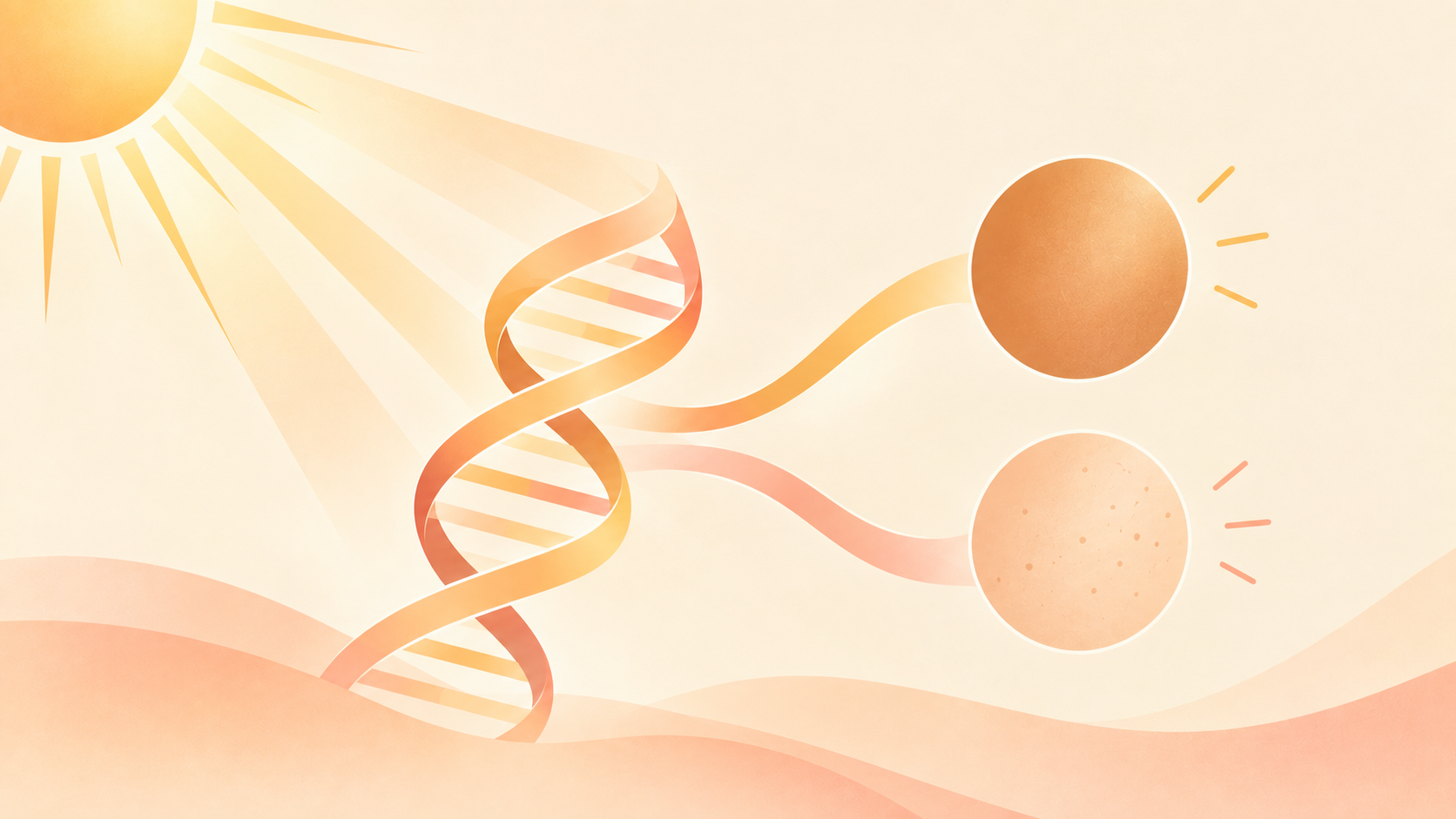
    You’ve probably seen this play out on a group vacation: everyone applies the same sunscreen at the same time, and by the end of the day one person has a golden tan while another is bright red and wincing at the shower water. It’s tempting to blame sunscreen application or how much time someone spent in the shade, but a real, well-documented genetic component determines how your skin actually responds to UV exposure — sometimes overriding lifestyle factors almost entirely.

    The Gene Behind Sun Sensitivity, Freckles, and Hair Color

    MC1R — the “redhead gene.” This is the single most influential gene in this area, and it does far more than just determine hair color. MC1R controls the type and ratio of melanin your skin produces — specifically, the balance between eumelanin (a darker, more UV-protective pigment) and pheomelanin (a lighter, red-toned pigment that offers considerably less protection against UV damage).

    People with variants that favor pheomelanin production tend to have red or strawberry-blonde hair, fair skin, and a strong tendency toward freckling — and critically, their skin has a much harder time building the kind of protective pigment that limits UV damage. This is why the classic “burns, doesn’t tan” pattern isn’t a personal failing or a sunscreen problem; it’s a fundamentally different pigment-production system at the genetic level.

    People with variants favoring eumelanin production tend to tan more readily and burn less easily, since their skin can generate more of the pigment type that actually blocks UV radiation from reaching deeper skin layers.

    Why Freckles Specifically Show Up

    Freckles are essentially small, concentrated clusters of pigment-producing cells responding unevenly to UV exposure, and MC1R variants strongly influence how prone someone is to developing them, particularly with sun exposure in childhood. This is why freckling often runs so visibly in families alongside red or fair hair — it’s largely the same underlying genetic variant producing multiple visible traits at once.

    This Connects to More Than Just Tanning

    Sun sensitivity genetics isn’t purely cosmetic. MC1R variants associated with fair skin, red hair, and reduced tanning ability are also associated with a measurably higher lifetime risk of skin cancer, including melanoma, largely because pheomelanin offers meaningfully less UV protection at a cellular level. This is a genuine, well-established medical finding, not just a skincare talking point — it’s part of why dermatologists often recommend more vigilant sun protection and more frequent skin checks specifically for people with this genetic profile, regardless of how tan or burned their skin looks in the moment.

    This overlaps somewhat with the skin barrier and sensitivity genetics covered elsewhere in this series — someone with both a weaker skin barrier and a UV-sensitive MC1R profile tends to need a noticeably more careful approach to both skincare and sun protection than someone without either tendency.

    What Genetics Doesn’t Mean You Should Do

    None of this means someone with a UV-sensitive genetic profile can’t spend time outdoors — it means sunscreen, protective clothing, and shade aren’t optional extras for them the way they might be for someone with a more UV-resistant genetic profile. It also doesn’t mean people with more UV-resistant genetics are immune to skin damage or skin cancer risk; genetics shifts the odds and the visible response, but UV damage accumulates for everyone regardless of how visibly it shows up as a burn.

    Where a DNA Test Fits Into This

    This falls under wellness-focused genetic testing, distinct from ancestry-focused kits. A test like DNApower includes skin-related genetic markers as part of its broader wellness report, offering context on tendencies like UV sensitivity and pigmentation alongside the skincare-related genetics covered elsewhere in this series.

    Understanding your specific genetic tendency here isn’t about avoiding the sun entirely — it’s useful context for how seriously to take sun protection specifically for your biology, and for having a more informed conversation with a dermatologist about skin cancer screening frequency if your profile leans toward higher UV sensitivity.

    Practical Steps If You’re Genetically UV-Sensitive

    If you consistently burn rather than tan, a few things are worth prioritizing regardless of what a genetic test confirms: daily broad-spectrum sunscreen rather than only on obviously sunny days, since UV damage accumulates even on cloudy days; more frequent dermatologist skin checks, given the elevated skin cancer risk associated with this profile; and treating “getting a base tan” as a myth rather than a real protective strategy, since for this genetic profile, a base tan typically means damage has already occurred rather than protection being built.

    Frequently Asked Questions

    If I have red hair, do I definitely have the MC1R variant? Very likely, though not always with complete certainty — red hair is strongly associated with specific MC1R variants, but hair color determination involves some additional genetic complexity.

    Can I build up tolerance to sun exposure over time despite my genetics? Not meaningfully. While skin can develop some tanning response with repeated exposure, the underlying genetic capacity for UV-protective pigment production doesn’t change, meaning the fundamental sensitivity remains regardless of gradual exposure.

    Does having freckles automatically mean higher skin cancer risk? Freckling is associated with the same MC1R variants linked to higher UV sensitivity and skin cancer risk, so it’s a reasonable visible signal to take seriously, though an individual dermatologist evaluation is the more reliable way to assess actual risk.

    The Bottom Line

    If sunscreen never seems to work quite as well for you as it does for the people you’re vacationing with, genetics is very likely part of the real explanation — not a sign you’re applying it wrong. Understanding your specific UV sensitivity profile can help you take sun protection and skin cancer screening as seriously as your biology actually requires, rather than comparing your skin’s response to someone else’s fundamentally different pigment system.

    If you’re curious about your own genetic tendencies around skin and UV sensitivity, DNApower’s wellness panel is a reasonable place to start, alongside a dermatologist for anything related to actual skin cancer screening.
  • Why Food Allergies Run in Families (It’s Not Just Shared Meals)

    Why Food Allergies Run in Families (It’s Not Just Shared Meals)

    Affiliate Disclosure: This post contains affiliate links. If you buy through one of them, we may earn a small commission — at no extra cost to you. We only recommend kits we’ve actually researched and would suggest to a friend.

    The Family Where Everyone Carries an EpiPen

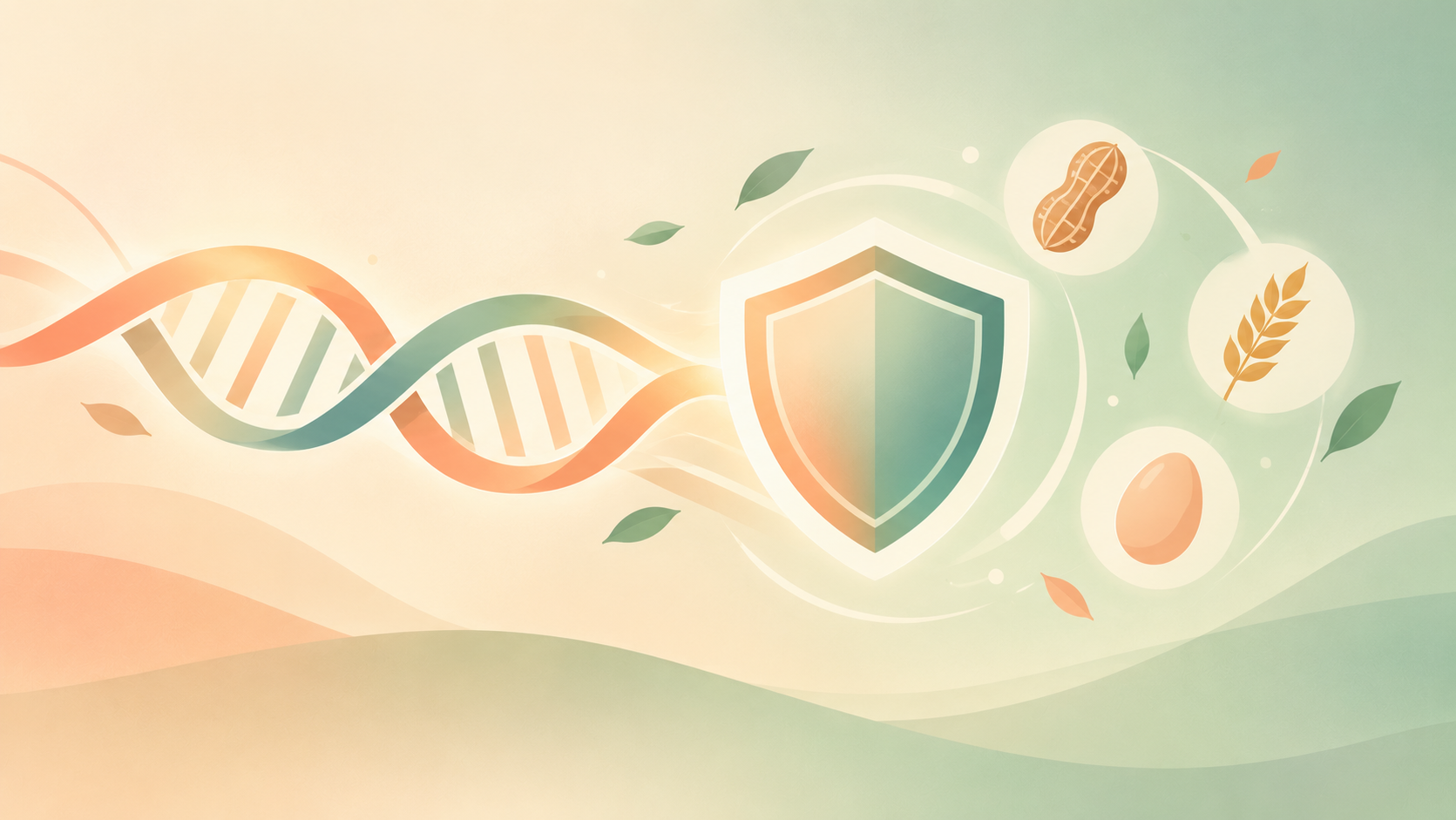
    Some families seem to collect food allergies the way others collect the same eye color — peanut allergy in one sibling, shellfish in a parent, eggs in a cousin. It’s easy to assume this is just coincidence, or maybe something in the water, but food allergies have a genuinely strong genetic component that researchers have been mapping in increasing detail, separate from the food intolerances and sensitivities that get talked about more casually.

    It’s worth being precise about the distinction up front, since the two get mixed up constantly. As we covered in our piece on lactose intolerance and other food sensitivities, an intolerance is usually about your body struggling to properly digest something — often an enzyme deficiency. A true food allergy is different: it’s your immune system mistakenly identifying a harmless food protein as a threat and mounting a defensive response, which is why allergic reactions can range from mild hives to a life-threatening anaphylactic response, while intolerances generally don’t carry that same risk.

    How Strong Is the Genetic Link?

    Research consistently shows food allergies cluster significantly within families. Studies looking at twins and family history estimate that genetics accounts for a substantial share of the risk — some studies on specific allergies like peanut allergy put heritability estimates as high as 80%, among the higher heritability figures found in any commonly studied health condition. Having one parent with any allergic condition — food allergy, eczema, asthma, or hay fever — meaningfully raises a child’s risk of developing a food allergy, and having two affected parents raises it further.

    The Genes Involved

    Filaggrin gene (FLG) variants. This gene is primarily known for its role in skin barrier function, and variants that weaken this barrier are strongly associated with eczema. Interestingly, this same skin barrier weakness is also linked to a higher risk of developing food allergies, since a compromised skin barrier may allow food proteins to enter the body through the skin, potentially triggering the kind of immune sensitization that leads to a food allergy later on.

    HLA gene variants. Human leukocyte antigen (HLA) genes play a central role in how your immune system distinguishes between harmless substances and genuine threats. Certain HLA variants are associated with a higher likelihood of the immune system misidentifying specific food proteins, contributing to allergy development.

    IL-4, IL-13, and related immune signaling genes. These genes are involved in the immune pathway responsible for allergic-type responses generally. Variants affecting how strongly this pathway activates are linked to a broader tendency toward allergic conditions, not just food allergies specifically, which is part of why a family history of asthma or hay fever also raises food allergy risk, not just a family history of food allergy itself.

    Why the “Atopic March” Matters

    Researchers use the term “atopic march” to describe a pattern often seen in genetically allergy-prone individuals: eczema in infancy, followed by food allergies, then asthma, then hay fever, though not everyone experiences the full progression. This connects to the immune-response genetics covered in our piece on immune system tendencies, since an immune system genetically inclined toward a stronger allergic-type response tends to show up across several of these conditions together rather than in isolation.

    This is part of why a child with early, severe eczema is often watched more closely for food allergy risk — the genetic and immune tendency underlying one condition frequently shows up as another down the line.

    What Genetics Doesn’t Fully Explain

    Genetics sets a real predisposition, but it doesn’t fully determine who develops an allergy or how severe it becomes. Timing and method of food introduction in infancy, environmental exposures, and overall immune development all play a documented role alongside genetic risk. Research over the past decade has actually shifted some long-standing advice here — early, deliberate introduction of common allergens in infancy is now often recommended specifically for genetically higher-risk infants, a meaningful change from older advice to delay exposure.

    Where a DNA Test Fits Into This

    This falls under wellness-focused genetic testing, distinct from ancestry-focused kits. A test like DNApower includes markers related to broader immune and inflammatory tendencies as part of its wellness report, which connect to allergic-type predisposition, though diagnosing an actual food allergy still requires proper allergy testing — skin prick or blood tests — through a doctor or allergist rather than a consumer wellness panel.

    The practical value of general wellness genetic context here is less about diagnosing an allergy and more about understanding whether your family’s pattern of allergic conditions has real genetic backing, which can be useful context when discussing screening timelines with a pediatrician or allergist, especially for infants in higher-risk families.

    Frequently Asked Questions

    If I have a food allergy, will my children definitely have one too? Not definitely, but their risk is meaningfully elevated, especially if the specific allergy or a related allergic condition (eczema, asthma, hay fever) runs in the family more broadly.

    Is a food intolerance the same as having a mild food allergy? No. These involve entirely different biological mechanisms — an intolerance is typically a digestive issue, while an allergy involves an immune response. A “mild” true allergy can still become severe on a later exposure, which isn’t generally how intolerances work.

    Can genetic testing diagnose a food allergy? No. Genetic testing can offer context about broader allergic and immune tendencies, but an actual food allergy diagnosis requires proper clinical allergy testing through a doctor or allergist.

    The Bottom Line

    If food allergies seem to run through your family alongside eczema, asthma, or hay fever, there’s real genetic backing behind that pattern — it’s not coincidence or something in a shared kitchen. Understanding this can support more informed conversations with a pediatrician or allergist about screening and introduction timing, particularly for families with a strong existing pattern of allergic conditions.

    If you’re curious about your own genetic tendencies around immune and inflammatory response, DNApower’s wellness panel is a reasonable place to start, alongside proper allergy testing through a doctor for anything you suspect might be an actual allergy.

  • Are You Built for Sprinting or Endurance? The Genetics Behind Athletic Performance

    Are You Built for Sprinting or Endurance? The Genetics Behind Athletic Performance

    Affiliate Disclosure: This post contains affiliate links. If you buy through one of them, we may earn a small commission — at no extra cost to you. We only recommend kits we’ve actually researched and would suggest to a friend.

    The Friend Who Never Trains for Marathons But Somehow Wins the Sprint

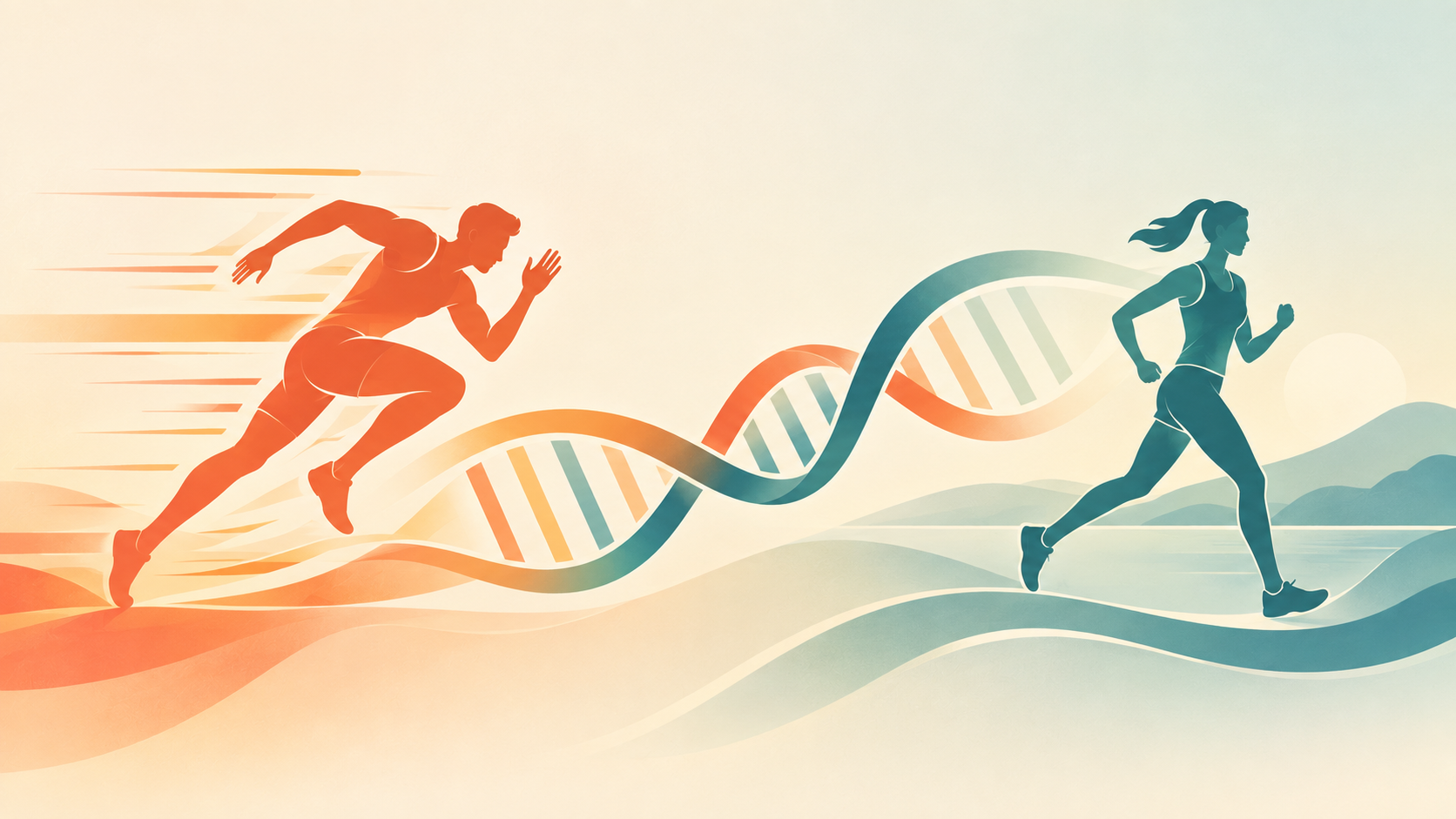
    Every group of friends who exercises together seems to have one person like this: barely structured training, yet they’re first off the line in a short sprint, or conversely, they can run for hours at a steady pace while everyone else is gasping after ten minutes. Effort and training matter enormously, but there’s also a real, well-documented genetic component to why some bodies are naturally wired for explosive power and others for sustained endurance.

    This isn’t about who’s a “better” athlete overall — it’s about which type of physical demand your body is genetically inclined to handle more efficiently, something researchers have been mapping out in increasing detail over the past two decades.

    The Genetics Behind Power vs. Endurance

    ACTN3 — the “sprinter gene.” This is probably the most well-known gene in athletic performance research. It affects a protein found in fast-twitch muscle fibers, the type responsible for quick, powerful movements like sprinting or jumping. People with a fully functioning version of this gene tend to have more efficient fast-twitch fiber function, which shows up disproportionately in elite sprinters and power athletes. People with a variant that produces little or none of this protein aren’t at a disadvantage overall — some research actually links this variant to better endurance performance instead.

    ACE gene. The same gene involved in the blood pressure regulation covered elsewhere in this series also plays a role here, since it affects cardiovascular efficiency under exertion. Certain variants are associated with better endurance performance, while others lean more toward power and strength-based advantages — one gene, two different athletic profiles depending on which version you carry.

    Muscle fiber type genetics more broadly. Beyond ACTN3 specifically, overall muscle fiber composition — the ratio of fast-twitch to slow-twitch fibers throughout the body — has a meaningful genetic basis. This ratio isn’t fixed forever, since training can shift it somewhat, but the genetic starting point matters for which direction that shift happens most easily.

    VO2 max genetics. Aerobic capacity, or VO2 max, is one of the most heritable fitness-related traits studied, with genetics accounting for a substantial portion of the variation in how efficiently your body uses oxygen during sustained exercise. This is part of why two people following an identical endurance training program can see meaningfully different improvements.

    Why This Matters Beyond Elite Sports

    This research isn’t just relevant if you’re chasing a podium finish. Understanding your genetic leanings can help explain years of frustration with a workout style that never clicked. Someone with a genetic profile favoring power and fast-twitch dominance who’s spent years trying to love long-distance running may simply be working against their own biology, while someone with an endurance-leaning profile might find that heavy, low-rep strength training never quite delivers the results they see other people get.

    None of this means you should avoid a type of training you enjoy — cross-training has real benefits regardless of genetic profile. But it can help set more realistic expectations and explain why identical effort sometimes produces different results between training partners.

    Athletic Genetics Doesn’t Exist in Isolation

    Performance genetics connects closely to some of the other traits covered in this series. Muscle recovery speed and inflammatory response play a real role in how quickly you can train again after a hard session, which matters just as much as raw fiber type for long-term progress. Cardiovascular tendencies — the same blood pressure genetics covered elsewhere — also factor into how your heart and vascular system respond to sustained exertion over time.

    What Genetics Doesn’t Determine

    Genetics sets a tendency, not a ceiling. Consistent training, proper nutrition, recovery, and sport-specific technique all have a massive, well-documented impact on athletic performance independent of genetic starting point. Plenty of elite endurance athletes don’t carry the “ideal” endurance genetic profile, and plenty of powerful, explosive athletes lack the classic sprinter variant. Genetics shifts the odds and explains some of the natural ease or difficulty, but it doesn’t write the outcome on its own.

    Where a DNA Test Fits Into This

    A wellness-focused DNA test won’t tell you whether you’ll win a race, but it can offer real context on whether your body may be more naturally inclined toward power-based or endurance-based training — useful information for deciding where to focus your effort, or simply for understanding why a particular training style has always felt more natural.

    DNApower includes fitness and muscle-related genetic markers as part of its broader wellness panel, covering tendencies connected to muscle fiber type and exercise response alongside the recovery and metabolic factors covered elsewhere in this series.

    Practical Steps Based on Your Genetic Tendency

    If your genetics lean toward power and fast-twitch dominance, structuring training around shorter, higher-intensity efforts — sprint intervals, heavier resistance work — tends to play to your natural strengths, while still building some aerobic base for overall health.

    If your genetics lean toward endurance, steady-state cardio and higher-volume, lower-intensity training may deliver more noticeable results relative to the effort involved, though incorporating some strength and power work remains valuable for injury prevention and overall fitness.

    Regardless of genetic tendency, consistency remains the single biggest factor in long-term athletic improvement — genetics shifts how efficiently a given type of training pays off, not whether training itself works.

    Frequently Asked Questions

    Does not having the “sprinter gene” mean I can’t get faster? No. ACTN3 status influences natural tendency, not your ceiling for improvement. Plenty of people without the classic sprinter variant still improve their speed and power significantly through consistent training.

    Can genetic testing tell me which sport I should play? Not precisely. It can offer context about power vs. endurance leanings and recovery tendencies, but sport selection depends on far more than genetics alone, including skill, interest, and access to training.

    Is athletic performance genetic testing the same as testing used by professional sports teams? Not typically. Consumer wellness panels look at a curated set of well-studied markers, while some professional and research settings use more extensive, specialized genetic panels focused specifically on elite performance prediction.

    The Bottom Line

    If a particular type of training has always felt more natural to you than another, genetics may be part of the real explanation — not a sign you’re doing something wrong or not trying hard enough. Understanding whether your body leans toward power or endurance can help you train smarter and set expectations that actually match your biology, rather than chasing results built for someone else’s genetic starting point.

    If you’re curious about your own genetic tendencies around fitness, muscle type, and recovery, DNApower’s wellness panel is a reasonable place to start, alongside working with a coach or trainer who can help translate that context into an actual program.

  • What Your Genes Say About How Long (and How Well) You’ll Live

    What Your Genes Say About How Long (and How Well) You’ll Live

    Affiliate Disclosure: This post contains affiliate links. If you buy through one of them, we may earn a small commission — at no extra cost to you. We only recommend kits we’ve actually researched and would suggest to a friend.

    The Grandparent Who Lived to 98

    Almost everyone has one — a grandparent or great-aunt who lived well into their nineties, sharp and mobile until the very end, seemingly without trying particularly hard. Meanwhile, other families see chronic illness and shorter lifespans repeat generation after generation, even among relatives who ate well and exercised. It’s tempting to chalk this up entirely to luck or habits, but a real, measurable genetic component shapes how long — and how well — we age.

    Longevity research has become one of the more active areas of genetics over the past couple of decades, partly thanks to studies on centenarians and the specific genetic patterns that show up disproportionately in people who live past 100. None of this means your lifespan is fixed the moment you’re born, but it does mean genetics is a real part of the story most people never get to see.

    This is a slightly different question from why some people visibly age slower than everyone else — that piece looks at the genetics behind skin, telomeres, and outward signs of aging. Here, we’re looking at something deeper: the genetic tendencies tied to actual lifespan and long-term health, regardless of how someone looks along the way.

    How Much of Lifespan Is Actually Genetic?

    Twin and family studies generally estimate that genetics accounts for roughly 20% to 30% of the variation in human lifespan, with the influence becoming somewhat more pronounced at the extreme end — living well past 90 or 100. That leaves the majority of the picture to lifestyle, environment, and circumstance, which is worth keeping in mind before treating any genetic result as destiny.

    What’s more interesting than a single “longevity gene” is that researchers increasingly see aging as the sum of several overlapping biological systems — cellular repair, inflammation control, cardiovascular resilience, and metabolic efficiency — each with its own genetic influence, all interacting together over a lifetime.

    The Genes Involved in Aging and Longevity

    APOE. This is one of the most studied genes in aging research, largely because of its strong connection to cardiovascular health and cognitive aging. Certain variants are associated with a higher lifetime risk of age-related conditions, while other variants appear to carry a protective effect, particularly for heart and brain health later in life.

    FOXO3. Often called one of the clearest “longevity genes” identified so far, FOXO3 variants show up more frequently in centenarian populations than in the general population. It’s involved in cellular stress resistance — essentially how well your cells handle damage and repair themselves over decades of wear.

    SIRT1 and the sirtuin family. These genes are involved in cellular repair and metabolic regulation, and they’ve become a major focus of longevity research because of how they interact with caloric intake, exercise, and cellular stress response over time.

    CETP. This gene affects cholesterol metabolism, and certain variants are associated with a healthier lipid profile that holds up better into old age — a meaningful piece of the cardiovascular side of longevity specifically.

    Longevity Doesn’t Exist in Isolation

    Aging genetics rarely operates as a single, separate system. It overlaps heavily with the cardiovascular genetics covered in our pieces on cholesterol and blood pressure, since heart health is one of the biggest single factors in lifespan. Bone density and mobility become an increasingly meaningful factor in quality of life as people age too, though that’s a somewhat separate genetic story.

    Chronic inflammation is another thread that runs through almost all of this — genetic tendencies toward stronger or weaker inflammatory response, which we’ve touched on elsewhere in this series, are increasingly understood as a real contributor to how quickly age-related decline shows up in the body.

    What Genetics Doesn’t Determine

    Genetics sets a tendency here, not a fixed number. Diet quality, physical activity, sleep, stress management, smoking status, and social connection all have well-documented, independent effects on both lifespan and quality of life in later years — and in several large studies, these factors matter at least as much as genetic background, sometimes more.

    Someone with a favorable genetic profile who smokes heavily and rarely exercises can still develop serious health problems early. Someone with a less favorable genetic starting point who stays active, eats well, and manages stress can often meaningfully outperform their genetic baseline. Genetics is a starting line, not a finish line.

    Where a DNA Test Fits Into This

    A wellness-focused DNA test won’t tell you how many years you have left — nobody can promise that. What it can offer is insight into inherited tendencies around cardiovascular health, metabolism, and cellular stress response that connect to healthy aging, giving you more specific context than a generic “eat better, move more” recommendation.

    DNApower includes markers related to metabolic efficiency, cardiovascular tendencies, and cellular stress response as part of its broader wellness panel — the same categories that show up repeatedly in longevity research, seen together rather than as isolated data points.

    Practical Steps If Longevity Is on Your Mind

    If longevity runs in your family — or notably doesn’t — a few things are worth prioritizing regardless of genetic background: consistent cardiovascular exercise, since heart health remains one of the single strongest predictors of both lifespan and healthspan; regular bloodwork with your doctor to catch cardiovascular or metabolic shifts early; and honestly assessing sleep and stress levels, since both have a well-documented cumulative effect on aging that’s easy to underestimate year to year.

    Frequently Asked Questions

    If my grandparents lived a long time, does that mean I will too? It’s a favorable sign, but not a guarantee. Genetics contributes roughly 20-30% of lifespan variation, with lifestyle and environment accounting for the larger share of the outcome.

    Can a DNA test predict how long I’ll live? No. A DNA test can reveal genetic tendencies related to cardiovascular health, metabolism, and cellular aging processes, but it can’t predict an actual lifespan, which depends on far more than genetics alone.

    Is it too late to benefit from lifestyle changes if longevity doesn’t run in my family? Not at all. Research consistently shows that lifestyle factors like exercise, diet, and stress management provide meaningful benefit at almost any age, regardless of genetic starting point.

    The Bottom Line

    Longevity sits at the intersection of genetics, lifestyle, and time, much like the cardiovascular traits covered elsewhere in this series — influenced by what you inherited, but shaped continuously by daily choices over decades. Knowing your genetic tendencies doesn’t replace the fundamentals, but it can help you understand which habits are likely to matter most for your specific biology.

    If you’re curious about your own genetic tendencies around aging, metabolism, and cardiovascular health, DNApower’s wellness panel is a reasonable place to start, alongside regular checkups with your doctor.

  • Is High Blood Pressure in Your Genes? What DNA Testing Reveals About Hypertension Risk

    Is High Blood Pressure in Your Genes? What DNA Testing Reveals About Hypertension Risk

    Affiliate Disclosure: This post contains affiliate links. If you buy through one of them, we may earn a small commission — at no extra cost to you. We only recommend kits we’ve actually researched and would suggest to a friend.

    The Number That Made You Wince

    If you’ve ever sat in a doctor’s office, watched the blood pressure cuff inflate, and heard a number that made you wince, you may have wondered how much of that is really about your habits versus something you simply inherited. It’s a fair question. Blood pressure is one of the more heavily studied traits in genetic research, and family history genuinely does carry weight here — not as a life sentence, but as a real factor shaping your baseline risk.

    Hypertension is often described purely as a lifestyle condition, tied to salt intake, weight, and exercise. Those factors matter enormously. But they sit on top of a genetic foundation that varies quite a bit from person to person, which is part of why two people with nearly identical habits can end up with noticeably different blood pressure readings.

    How Much of Blood Pressure Is Genetic?

    Twin and family studies generally estimate that genetics accounts for roughly 30% to 50% of the variation in blood pressure between individuals. That’s a meaningful chunk, though notably lower than some other heritable traits like height or bone density, which reflects how strongly lifestyle and environment interact with blood pressure specifically.

    What tends to run in families isn’t usually a single dramatic gene, but a cluster of smaller genetic tendencies that, together, shift someone’s baseline higher or lower. This is why hypertension so often shows a family pattern — parents, siblings, and children sharing a tendency toward elevated readings — without there being one single inherited condition responsible.

    The Genes Involved in Blood Pressure Regulation

    Blood pressure regulation is genuinely complex, involving how the body manages salt and fluid balance, blood vessel constriction, and hormone signaling. A few gene groups appear consistently in research.

    Renin-angiotensin system genes. This hormone system plays a central role in regulating blood vessel constriction and fluid balance, and it’s also the target of several common blood pressure medications. Genetic variants affecting how this system operates can influence baseline blood pressure and how responsive someone is to sodium intake.

    ACE gene. Related to the same system, variants in the ACE gene affect the production of a hormone involved in narrowing blood vessels. Certain variants are associated with a modestly higher tendency toward elevated blood pressure.

    Sodium-handling genes. Some people are genetically more “salt-sensitive” than others, meaning their blood pressure responds more sharply to sodium intake. This isn’t universal — plenty of people can eat a high-sodium diet with minimal blood pressure impact, while others see a real difference from cutting back.

    Genes affecting blood vessel function. Variants influencing the flexibility and responsiveness of blood vessel walls can affect how blood pressure holds up under stress, physical exertion, or simply over the course of aging.

    Blood Pressure Doesn’t Exist in Isolation

    One thing that becomes clear when you look at cardiovascular genetics as a whole is how interconnected everything is. Blood pressure, cholesterol, and metabolic health aren’t separate systems running independently — they influence each other constantly. We covered some of this overlap in our article on cholesterol genetics, where several of the same underlying cardiovascular risk genes show up again.

    Stress is another piece of this picture that’s easy to underestimate. Chronic stress can elevate blood pressure over time, and genetic differences in stress hormone regulation can make some people more physiologically reactive to stressful situations than others. We explored this connection in more depth in our piece on genetics and stress resilience, which is worth a look if blood pressure and stress both feel relevant to your situation.

    What Genetics Doesn’t Determine

    As with most of the traits we cover here, genetics sets a tendency, not a fixed outcome. Sodium intake, weight, physical activity, alcohol consumption, and sleep quality all have well-documented, independent effects on blood pressure regardless of genetic background. Someone with a genetic tendency toward higher blood pressure who manages these factors carefully can often keep their numbers in a healthy range for decades. Someone without that genetic tendency who neglects all of them can still develop hypertension over time.

    Genetics also doesn’t determine exactly when hypertension might develop, if it does. Blood pressure tends to drift upward gradually with age for most people, and genetic tendency mainly affects how steep or gentle that drift turns out to be.

    Where a DNA Test Fits Into the Picture

    A genetic wellness test won’t give you an actual blood pressure reading — that still requires a cuff, ideally checked regularly rather than once. What it can offer is insight into inherited tendencies that might explain why blood pressure management has felt harder or easier for you compared to people around you.

    DNApower includes cardiovascular-related markers as part of its broader wellness panel, covering genetic tendencies connected to blood pressure regulation alongside related areas like cholesterol handling and stress response. Seeing these factors together, rather than as isolated data points, tends to give a clearer picture than any single result on its own.

    Practical Steps If Hypertension Runs in Your Family

    If high blood pressure has shown up repeatedly in your family, a few things are worth prioritizing: getting your blood pressure checked regularly rather than only during occasional doctor visits, paying closer attention to sodium intake since you may be more salt-sensitive than average, and bringing up your family history explicitly with your doctor so it factors into how often you’re screened.

    Frequently Asked Questions

    If my parents have high blood pressure, will I get it too? Not necessarily, but your risk is statistically higher. Genetics contributes roughly 30-50% of the variation in blood pressure, meaning lifestyle factors still play a substantial role in whether that tendency turns into an actual diagnosis.

    Can a DNA test measure my blood pressure? No. A DNA test can reveal genetic tendencies related to blood pressure regulation, salt sensitivity, and cardiovascular health, but only a blood pressure cuff can measure your actual current readings.

    Is salt sensitivity the same for everyone with high blood pressure? No. Salt sensitivity varies significantly between individuals due to genetic differences in how the body handles sodium. Some people with hypertension see major improvements from reducing sodium, while others notice little change and need to focus on different factors instead.

    The Bottom Line

    Blood pressure sits at an interesting intersection of genetics, lifestyle, and time — influenced by inherited tendencies but shaped continuously by daily choices. Knowing your family history, and optionally your genetic tendencies, doesn’t replace regular monitoring, but it can help you understand why certain habits might matter more for you specifically than they would for someone else.

    If you’re curious about your own genetic tendencies around blood pressure, cardiovascular health, and stress response, DNApower’s wellness panel is a reasonable place to start, alongside regular blood pressure checks with your doctor.

  • Can Your Genes Explain High Cholesterol? What DNA Testing Reveals About Heart Health

    Can Your Genes Explain High Cholesterol? What DNA Testing Reveals About Heart Health

    Affiliate Disclosure: This post contains affiliate links. If you make a purchase through these links, we may earn a commission at no extra cost to you.

    There’s a particular kind of frustration in doing everything “right” — eating reasonably well, staying active, keeping weight in a healthy range — and still getting a cholesterol number back from your doctor that’s higher than expected. If that’s happened to you, or if high cholesterol has quietly passed through generations of your family regardless of what anyone ate, genetics is very likely part of the explanation.

    Cholesterol isn’t purely a diet issue, even though that’s how it’s often talked about. Your body actually manufactures most of its own cholesterol internally, and how efficiently it produces, transports, and clears that cholesterol is heavily influenced by genes you were born with.

    How Much of Cholesterol Is Genetic?

    Research into lipid genetics suggests that somewhere between 40% and 60% of the variation in cholesterol levels between individuals can be attributed to genetic factors, depending on which specific marker (LDL, HDL, triglycerides) you’re looking at. Some people inherit a genetic profile that makes managing cholesterol relatively easy. Others inherit one that means cholesterol stays stubbornly elevated even with a genuinely healthy lifestyle.

    At the far end of this spectrum sits a condition called familial hypercholesterolemia, a specific inherited disorder that causes very high LDL cholesterol from a young age, often regardless of diet. It’s more common than most people realize — estimated to affect roughly 1 in 250 people — and it’s frequently underdiagnosed because it doesn’t come with obvious symptoms until a cardiac event occurs. This is one of the more compelling arguments for taking a family history of “early” heart disease seriously.

    The Genes Involved in Cholesterol Regulation

    Cholesterol metabolism involves a fairly complex network of genes, but a few groups come up consistently in research.

    APOE gene. This is one of the most studied genes in relation to cholesterol and cardiovascular risk. Different APOE variants affect how cholesterol is transported through the bloodstream, and certain variants are associated with higher LDL levels on average.

    LDLR gene. This gene provides instructions for a receptor that helps clear LDL cholesterol from the blood. Variants that reduce receptor function are the primary cause of familial hypercholesterolemia, since less LDL gets cleared, and it accumulates instead.

    PCSK9 gene. PCSK9 regulates how many LDL receptors are available on cell surfaces. Some variants increase LDL by reducing receptor availability; interestingly, this gene has also become the target of a newer class of cholesterol-lowering medications, precisely because of how influential it is.

    CETP gene. This gene affects how cholesterol moves between different lipoprotein particles, and variants here can shift the balance between LDL and HDL — the “bad” and “good” cholesterol most people are already familiar with from bloodwork.

    Genetics vs. Lifestyle: Where the Line Actually Falls

    It’s tempting to read a list like that and assume cholesterol is simply out of your hands. That’s not quite accurate. Genetics tends to set your baseline tendency and how responsive your body is to lifestyle changes — not a fixed, unchangeable outcome.

    Someone with a genetic tendency toward higher LDL may need a more deliberate approach to saturated fat intake, fiber, and exercise to land in a healthy range, compared to someone without that tendency. That’s a real difference, but it’s a difference in effort required, not a difference in whether improvement is possible at all. This overlaps closely with genetic factors affecting metabolism more broadly, which we explored in our article on the genetics of slow metabolism — cholesterol and metabolic rate are regulated by overlapping biological systems.

    There’s also a time dimension worth mentioning. Cardiovascular risk factors, including cholesterol handling, tend to shift as the body ages, which is part of why routine screening becomes more important later in life. We touched on some of the broader genetic patterns behind aging in our piece on the genetics of aging, which covers some of the same underlying biological processes from a different angle.

    What a DNA Test Can (and Can’t) Tell You

    A consumer genetic wellness test isn’t a substitute for a cholesterol blood panel, and it’s important to be upfront about that. Only an actual lipid panel can tell you your current LDL, HDL, and triglyceride numbers.

    What genetic testing adds is context around why those numbers might look the way they do, and how much attention your particular genetic profile might warrant. DNApower includes cardiovascular and lipid-related markers as part of its wellness panel, covering genetic tendencies related to cholesterol handling and heart health alongside other interconnected areas like metabolism and inflammation response.

    For someone with a family history of high cholesterol or early heart disease but no clear genetic diagnosis, this kind of report can be a useful prompt to bring into a conversation with a doctor — particularly around whether more frequent lipid screening or a referral to a lipid specialist makes sense.

    Practical Steps If You Have a Genetic Tendency

    If your results, family history, or bloodwork suggest a genetic tendency toward higher cholesterol, a few things are worth prioritizing sooner rather than later: getting an actual lipid panel done if it’s been a while, discussing your family history explicitly with your doctor rather than assuming it’s “just genetics, nothing to do,” and being more consistent about the lifestyle factors that do move the needle — fiber intake, physical activity, and limiting excessive saturated fat — since these tend to matter more, not less, when genetics are working against you.

    Frequently Asked Questions

    If high cholesterol runs in my family, will I definitely have it too? Not necessarily, but your risk is meaningfully higher. Genetic tendencies toward high cholesterol are common, but they express differently depending on lifestyle factors and, in most cases, respond to changes in diet and activity even when a genetic component is present.

    Can a DNA test replace a cholesterol blood test? No. A DNA test can reveal genetic tendencies related to cholesterol metabolism and cardiovascular risk, but only a blood-based lipid panel can measure your actual current cholesterol levels. The two are complementary, not interchangeable.

    What is familial hypercholesterolemia, and should I be concerned about it? It’s an inherited condition that causes significantly elevated LDL cholesterol from a young age, often without symptoms until later in life. If your family has a history of early heart attacks or very high cholesterol despite a healthy lifestyle, it’s worth mentioning to your doctor, since it’s frequently underdiagnosed.

    The Bottom Line

    Cholesterol is genuinely one of the clearer examples of genetics and lifestyle working together rather than one simply overriding the other. Knowing your genetic tendency doesn’t remove the need for bloodwork or lifestyle effort, but it can explain a lot about why cholesterol management has felt easier for some people in your life than it has for you.

    If you’re curious about your own genetic tendencies around cholesterol, cardiovascular health, and related wellness markers, DNApower’s wellness panel is a reasonable place to start, alongside a standard lipid panel from your doctor.

  • Why Bone Health Runs in Families (Long Before Anyone Gets a Diagnosis)

    Why Bone Health Runs in Families (Long Before Anyone Gets a Diagnosis)

    Affiliate Disclosure: This post contains affiliate links. If you make a purchase through these links, we may earn a commission at no extra cost to you.

    If your mother or grandmother has ever mentioned a hip fracture, a stooped posture, or a doctor warning her about “thinning bones,” you may have quietly wondered whether that’s a future waiting for you too. It’s not a paranoid thought — bone density is one of the more strongly inherited traits in the human body, and researchers have been documenting the family pattern for decades.

    But “inherited” doesn’t mean “inevitable.” Genetics sets a kind of ceiling and floor for how strong your bones can become, while everything else — diet, movement, hormones, sun exposure — decides where you land between those two points. Understanding which part is written into your DNA and which part is still yours to influence is where this gets genuinely useful.

    How Much of Bone Density Is Actually Genetic?

    Twin and family studies consistently estimate that somewhere between 60% and 80% of the variation in peak bone mass between individuals comes down to genetics. That’s a substantial number — comparable to the heritability seen in height. It’s part of why osteoporosis and low bone density so often seem to “run” in families, showing up across generations even when lifestyles look quite different.

    That said, heritability studies describe populations, not individuals. A high heritability estimate tells us that genes matter a lot when you compare many people against each other. It doesn’t mean any one person’s bone future is locked in from birth, and it doesn’t cancel out the very real effect of what you eat, how you move, and what your hormone levels look like over your lifetime.

    The Genes Involved in Bone Strength

    Bone density isn’t governed by a single “bone gene.” It’s polygenic, meaning many genes each contribute a small piece of the picture. A few categories show up repeatedly in the research.

    Vitamin D receptor genes. Vitamin D is essential for how your body absorbs and uses calcium, and variations in the genes controlling your vitamin D receptors can affect how efficiently that process runs. Someone with a less efficient variant may need more consistent sun exposure or dietary vitamin D to hit the same absorption levels as someone without it. We covered this family of genes in more depth in our piece on genetic vitamin deficiencies, since vitamin D sensitivity connects to more than just bone health.

    Collagen-related genes. Bone isn’t just mineral — it has a collagen protein scaffold that gives it flexibility and resistance to fracture, not just hardness. Variants in collagen-related genes can influence bone quality independent of density, which is one reason two people with similar bone density can have different fracture risks. Collagen genetics also plays a role in skin and connective tissue aging, something we touched on in our article on the genetics of aging.

    Bone remodeling genes. Your skeleton is constantly being broken down and rebuilt in a process called remodeling. Genes that regulate the cells responsible for this cycle — osteoblasts (which build bone) and osteoclasts (which break it down) — can tip that balance in either direction over a lifetime.

    Hormone sensitivity genes. Estrogen and, to a lesser extent, testosterone play a large role in maintaining bone density. Genetic variations affecting hormone receptor sensitivity can influence how much bone loss occurs during major hormonal shifts, such as menopause.

    Peak Bone Mass: The Number That Matters Most

    Most people build the majority of their bone density by their late twenties, reaching what’s called “peak bone mass.” After that, bone density tends to hold relatively steady for a while before beginning a slow, gradual decline with age — a decline that can accelerate significantly during menopause for women.

    This is why peak bone mass matters so much. Someone who builds a high peak bone mass in their twenties has more of a buffer before density drops into a risk zone decades later. Someone who starts with a lower peak, often influenced by genetics, has less room to work with. It’s less like a countdown timer and more like a savings account — how much you deposit early affects how long the balance lasts.

    What Genetics Doesn’t Determine

    It’s worth being direct about the limits here, because bone health is one area where genetic determinism can accidentally do harm — either by making someone with “good genes” complacent, or making someone with a family history feel like decline is unavoidable.

    Genetics doesn’t override the impact of weight-bearing exercise, which remains one of the most well-established ways to build and maintain bone density at any age. It doesn’t override calcium and vitamin D intake, smoking and alcohol habits, or the bone loss that comes with prolonged inactivity. And it doesn’t predict the exact age at which someone might be diagnosed with osteopenia or osteoporosis — that depends on a mix of genetic tendency and decades of daily choices layered on top.

    Where a DNA Test Fits Into the Picture

    This is where a genetic wellness test can add something a family history conversation can’t: specifics. Instead of “my mom had weak bones,” a report can point to which particular genetic factors — vitamin D processing, collagen-related variants, hormone sensitivity markers — are actually relevant to you.

    DNApower includes bone and joint health markers as part of its broader wellness panel, alongside related areas like vitamin D metabolism and inflammation tendencies. Rather than treating “bone density” as one isolated result, it’s presented alongside the other genetic factors that interact with it, which gives a more complete starting point for a conversation with your doctor about screening timing or supplementation.

    Turning a Genetic Report Into a Practical Plan

    A raw list of gene names isn’t useful on its own. What matters is what you do differently once you have it.

    If your results suggest reduced vitamin D receptor efficiency, that’s a concrete reason to get your vitamin D levels checked with an actual blood test rather than guessing, and to be more deliberate about sun exposure or supplementation. If collagen-related variants show up, it may be worth discussing bone quality — not just density — with your doctor, particularly if you have a personal or family history of fractures that seemed disproportionate to the injury. If hormone sensitivity markers are flagged, that’s useful context to bring into conversations around perimenopause and menopause, well before symptoms start.

    None of this replaces a bone density scan (a DEXA scan) if your doctor recommends one based on age or risk factors. Genetic information is meant to sit alongside clinical screening, adding context about why your numbers might look the way they do, not standing in for the screening itself.

    Frequently Asked Questions

    Can a DNA test diagnose osteoporosis? No. A DNA test can identify genetic tendencies related to bone density, calcium metabolism, and vitamin D processing, but osteoporosis is a clinical diagnosis made through bone density scanning (DEXA) and a doctor’s evaluation. Think of genetic testing as context, not diagnosis.

    If both my parents have osteoporosis, will I definitely get it too? Not necessarily. Family history does raise your statistical risk, since bone density is highly heritable, but lifestyle factors like weight-bearing exercise, calcium and vitamin D intake, and avoiding smoking can meaningfully shift your outcome even with a strong genetic predisposition in the family.

    At what age should I start paying attention to bone health? Ideally well before any symptoms appear. Since peak bone mass is typically reached by your late twenties, building strong habits — exercise, adequate calcium and vitamin D, limiting smoking and excessive alcohol — in your teens, twenties, and thirties pays off decades later, particularly for women heading into menopause.

    The Bottom Line

    Bone density is one of the clearest examples of genetics setting the stage without writing the whole script. Family history matters, the underlying genes are real and well-documented, and a genetic wellness report can turn a vague worry (“bone problems run in my family”) into something specific enough to act on.

    If you’re curious what your own genetic tendencies look like around bone health, vitamin D processing, and related wellness markers, DNApower’s wellness panel is a reasonable place to start — paired, as always, with an actual conversation with your doctor about screening.

  • Why Everyone in Your Family Wears Glasses (Starting Younger Each Generation)

    Why Everyone in Your Family Wears Glasses (Starting Younger Each Generation)

    Affiliate Disclosure: This post contains affiliate links. If you buy through one of them, we may earn a small commission — at no extra cost to you. We only recommend kits we’ve actually researched and would suggest to a friend.

    A Family Trait That’s Getting More Common, Not Less

    If you look around a family gathering and notice almost everyone wearing glasses, and the kids seem to be getting prescriptions younger than their parents did, that’s not just a coincidence of modern screen time. Nearsightedness (myopia) has a genuinely strong genetic component, and it’s also becoming measurably more common globally — a combination worth understanding rather than just accepting as “bad luck” or purely a lifestyle issue.

    How Strong Is the Genetic Link?

    Research consistently shows myopia clusters significantly within families. Studies comparing children with two nearsighted parents, one nearsighted parent, or neither show a clear, substantial increase in myopia risk as the number of affected parents increases. Twin studies, which help separate genetic from environmental influence, have found a strong genetic contribution to myopia risk, alongside a meaningful environmental component that’s become increasingly relevant in recent decades.

    The Genes Involved

    Myopia isn’t controlled by a single gene — researchers have identified well over 100 genetic variants associated with myopia risk, each contributing a relatively small individual effect that combines with the others to determine overall genetic susceptibility.

    Genes affecting eye shape and axial length. Myopia occurs when the eyeball is slightly too long relative to its focusing power, causing light to focus in front of the retina rather than directly on it. Genetic variants affecting eye growth and shape during development are central to this process.

    Genes involved in the sclera (the eye’s outer wall). Variation in genes affecting scleral structure and flexibility influences how susceptible the eye is to the elongation associated with myopia development, particularly during childhood and adolescent eye growth.

    Genes related to light processing in the retina. Some identified variants affect how the retina processes light signals during development, which researchers believe plays a role in the eye’s growth regulation — and connects to why environmental light exposure also matters alongside genetics.

    Why Myopia Is Becoming More Common Across Generations

    This is where genetics and environment intersect in an interesting way. While genetic risk hasn’t changed within families over a few generations, myopia rates have risen sharply worldwide in recent decades — a shift too fast to be explained by genetic changes alone. Researchers increasingly point to environmental factors, particularly reduced time spent outdoors in natural light during childhood and increased near-work activities (reading, screens), as interacting with existing genetic susceptibility to produce earlier and more severe myopia than previous generations experienced with the same genetic risk.

    This means a child with genetically elevated myopia risk today may develop more significant nearsightedness, and at a younger age, than a parent with similar genetic risk who spent considerably more time outdoors as a child — same genetic starting point, different environmental interaction producing a different outcome.

    What This Means for Prevention, Especially in Children

    For parents with a family history of myopia, this research has genuinely practical implications. Increased outdoor time during childhood is one of the most consistently supported environmental factors associated with reduced myopia risk and progression, even for children with elevated genetic susceptibility. This isn’t about eliminating genetic risk entirely, but rather about recognizing that environmental factors can meaningfully influence how that genetic risk actually plays out.

    Regular eye exams starting at a younger age are also worth prioritizing for children with a strong family history, since earlier detection allows for earlier intervention, which research suggests can help slow myopia progression in some cases.

    What Genetics Doesn’t Determine Entirely

    Not all vision changes are myopia, and not all vision problems are genetic in origin. Age-related vision changes, certain eye conditions unrelated to typical myopia genetics, and various health factors can all affect vision independent of the specific genetic pathway described here. Sudden or significant vision changes at any age are worth evaluating with an eye care professional rather than assuming a purely genetic, gradual explanation.

    How This Connects to Broader Genetic Testing

    Eye health and vision genetics aren’t typically a headline feature of most consumer wellness or ancestry DNA kits, including DNApower, which focuses more on metabolic, nutritional, and lifestyle-related genetic markers. Dedicated ophthalmological genetic testing, used in specialized clinical settings, analyzes a more extensive and specific set of markers than general consumer wellness panels currently offer for this particular trait.

    Frequently Asked Questions

    If both my parents wear glasses, will my children definitely need them too? Not with certainty, but risk is meaningfully elevated. Research shows children with two myopic parents have a substantially higher likelihood of developing myopia themselves compared to children with no parental history, though environmental factors also play a real role in the outcome.

    Can spending more time outdoors actually reduce myopia risk despite genetics? Yes, to a meaningful degree. Increased outdoor time during childhood is one of the more consistently supported environmental factors shown to reduce myopia risk and slow its progression, even in children with elevated genetic susceptibility.

    Is myopia the only vision problem with a strong genetic link? No, but it’s one of the most well-researched. Other conditions, including certain forms of farsightedness and some inherited eye diseases, also have genetic components, though the specific genes and inheritance patterns vary considerably by condition.

    The Bottom Line

    If nearsightedness runs strongly in your family, there’s real genetic backing behind that pattern — but it’s not the whole story. Environmental factors, particularly outdoor time during childhood, meaningfully interact with genetic risk to shape the actual outcome, which is genuinely useful information for anyone with a family history trying to think through prevention, especially for children.

  • Why Your PMS Is Brutal and Your Friend’s Barely Registers

    Why Your PMS Is Brutal and Your Friend’s Barely Registers

    Affiliate Disclosure: This post contains affiliate links. If you buy through one of them, we may earn a small commission — at no extra cost to you. We only recommend kits we’ve actually researched and would suggest to a friend.

    Comparing Notes and Realizing the Gap Is Real

    It’s a common conversation among friends — comparing PMS symptoms and realizing the experience is wildly different from person to person. One person barely notices anything before their period; another deals with genuinely disruptive mood shifts, physical discomfort, or fatigue every single cycle. Lifestyle and stress play a role, but there’s also a real, measurable genetic component to hormone sensitivity that helps explain why the same monthly hormonal fluctuation produces such different experiences.

    The Genetics Behind Hormone Sensitivity

    It’s worth being precise here: the genetic variation involved isn’t primarily about how much of a given hormone your body produces — most people’s hormone levels across a typical cycle fall within a fairly similar range. What varies more significantly is how sensitively your brain and body respond to those normal hormonal fluctuations, and that sensitivity has real genetic underpinnings.

    Serotonin-related genes. Estrogen and progesterone fluctuations interact with serotonin regulation in the brain, and genetic variation in serotonin-related genes affects how strongly someone’s mood responds to these normal hormonal shifts. This is part of why PMS-related mood symptoms can range from barely noticeable to genuinely significant between individuals experiencing comparable hormone level changes.

    GABA receptor sensitivity genes. GABA is a neurotransmitter involved in calming neural activity, and certain hormone metabolites interact with GABA receptors. Genetic variation in receptor sensitivity here is an active area of research related to why some people experience more pronounced anxiety or irritability during specific phases of their cycle.

    Inflammatory response genes. As covered elsewhere in this series regarding genetics and immune function, inflammatory response tendencies vary genetically, and this connects to physical PMS symptoms like cramping and bloating, since inflammation plays a role in these physical experiences.

    Genes affecting hormone metabolism and clearance. How efficiently your body processes and clears hormones after they’ve done their job also varies genetically, which can affect the duration and intensity of symptoms tied to hormonal transition periods within a cycle.

    Why This Isn’t “Just in Your Head”

    This is worth saying directly: if your PMS or hormone-related symptoms feel significantly more intense than what people around you describe, that’s not necessarily a sign you’re managing it poorly or being overly sensitive. Genetic differences in how your brain and body respond to entirely normal hormonal fluctuations are a real, biological explanation for that gap — not a character issue.

    This matters practically because dismissing significant symptoms as something to just push through, based on comparing yourself to someone with a genuinely different sensitivity profile, can mean missing out on management approaches that could actually help.

    Where This Connects to Broader Genetic Tendencies

    Hormone sensitivity doesn’t operate in isolation from other genetic factors covered elsewhere in this series. Someone with a genetic tendency toward heightened stress reactivity may also experience more pronounced hormone-related mood symptoms, since both involve overlapping neurotransmitter systems. Poor sleep quality during a particularly sensitive phase of the cycle also tends to intensify whatever symptoms are already present, compounding the effect further.

    What Genetics Doesn’t Fully Explain

    Diet, sleep quality, stress levels, exercise, and overall health all genuinely influence how PMS and hormone-related symptoms present, independent of genetic sensitivity baseline. A higher genetic sensitivity doesn’t mean symptoms are unmanageable — it means certain lifestyle factors may have outsized relative benefit for you specifically, and it’s worth taking symptom management seriously rather than assuming a naturally higher baseline sensitivity is something to simply endure.

    When to Talk to a Doctor

    Significant, disruptive symptoms — whether physical or related to mood — are worth discussing with a doctor rather than managing entirely on your own, particularly if symptoms significantly interfere with daily functioning. Premenstrual dysphoric disorder (PMDD), a more severe condition than typical PMS, has documented genetic and neurobiological components similar to what’s described here, but requires proper diagnosis and often benefits from specific treatment approaches beyond general lifestyle adjustments.

    How a DNA Test Fits Into This

    This falls under wellness-focused genetic testing, distinct from ancestry-focused kits. A test like DNApower includes markers related to broader inflammatory and stress-response tendencies as part of its wellness report, which connect to hormone-related symptom intensity, though dedicated clinical genetic panels focused specifically on reproductive hormone sensitivity are a more specialized, separate category of testing.

    The practical value of general wellness genetic context here is less about a definitive answer and more about validating that your experience has a real biological basis — useful framing for a more informed conversation with a doctor, particularly if you’ve previously felt your symptoms were dismissed or minimized.

    Frequently Asked Questions

    Does a genetic tendency toward stronger PMS mean something is wrong with my hormone levels? Not necessarily. The genetic variation involved is more about how sensitively your body responds to normal hormone fluctuations, rather than abnormal hormone levels themselves, though it’s still worth ruling out other factors with a doctor if symptoms are significant.

    Is PMDD the same as genetically heightened PMS sensitivity? They’re related but distinct — PMDD is a specific, more severe diagnosable condition with its own criteria, while general hormone sensitivity genetics describes a broader spectrum of symptom intensity that doesn’t necessarily meet PMDD’s clinical threshold.

    Can lifestyle changes help even with a genetic predisposition to stronger symptoms? Yes. Sleep quality, stress management, and other lifestyle factors can meaningfully affect symptom intensity regardless of genetic baseline sensitivity, even though they may need more consistent attention for someone with a higher genetic sensitivity profile.

    The Bottom Line

    If your PMS or hormone-related symptoms feel disproportionately intense compared to what people around you describe, genetics is a real, legitimate part of that difference — not an exaggeration or something to simply push through quietly. Understanding this can support both more effective self-management and a more productive conversation with a doctor if your symptoms are significantly affecting your daily life.

    👉 Check current DNApower pricing

  • Is Baldness Really From Your Mother’s Side? What Genetics Actually Says

    Is Baldness Really From Your Mother’s Side? What Genetics Actually Says

    Affiliate Disclosure: This post contains affiliate links. If you buy through one of them, we may earn a small commission — at no extra cost to you. We only recommend kits we’ve actually researched and would suggest to a friend.

    The Grandfather Clause Everyone’s Heard About

    You’ve probably heard the old claim: check your maternal grandfather’s hairline to predict your own future. It’s one of the most repeated pieces of genetic folk wisdom out there — and like most oversimplified genetic claims, it’s partly rooted in real science and partly an exaggeration that doesn’t hold up under closer examination.

    Where the Maternal Grandfather Myth Comes From

    The androgen receptor gene, which plays a significant role in male pattern baldness, is located on the X chromosome. Men inherit their X chromosome from their mother, which is where the “check your maternal grandfather” advice originated — it’s not entirely wrong, since this particular gene does follow that inheritance pattern.

    But this is where the popular version oversimplifies things considerably. Male pattern baldness isn’t controlled by a single gene inherited exclusively through the maternal line. Research has identified dozens of genetic variants across multiple chromosomes, including genes inherited from both parents, that collectively influence baldness risk. The androgen receptor gene is one significant piece, not the whole picture.

    The Actual Genetics of Pattern Hair Loss

    Pattern hair loss (androgenetic alopecia) involves a complex interaction between genetics and hormones, specifically dihydrotestosterone (DHT), a byproduct of testosterone that affects hair follicles in genetically susceptible individuals.

    Androgen receptor sensitivity affects how strongly your hair follicles respond to DHT — higher sensitivity is associated with more pronounced follicle miniaturization over time, which is the underlying process behind pattern hair loss.

    DHT production and metabolism genes affect how much DHT your body produces and how efficiently it’s processed, independent of receptor sensitivity, adding another layer of genetic variation to overall risk.

    Multiple additional genetic variants across other chromosomes contribute smaller individual effects that combine with the androgen receptor gene to determine overall genetic risk — which is why pattern baldness runs in families through both maternal and paternal lines, not just one.

    Why Family Patterns Can Look Inconsistent

    Because multiple genes from both parents contribute to overall risk, it’s entirely possible to have significant hair loss with no obvious pattern on either side of the family, or conversely, to have a strong family history and experience comparatively less hair loss than expected. This genetic complexity is part of why the simple grandfather-clause prediction often doesn’t hold up in individual cases, even though the underlying biology it’s based on is real.

    Does This Apply to Women Too?

    Female pattern hair loss also has a genetic component, though the pattern and underlying hormonal mechanisms differ somewhat from male pattern baldness, and it’s generally considered less thoroughly understood in genetic research compared to the male pattern. Female hair thinning can also stem from a wider range of causes beyond genetics alone — including thyroid function, nutritional factors, and other health considerations — making it particularly worth medical evaluation rather than assuming a purely genetic explanation.

    What Genetics Doesn’t Determine Entirely

    Overall health, nutrition (particularly relevant to the nutrient absorption genetics covered in our vitamin deficiency piece), stress levels, and certain medical conditions can all contribute to hair thinning independent of, or alongside, genetic pattern baldness. Not all hair loss is pattern baldness — sudden or patchy hair loss, in particular, often has causes unrelated to typical genetic pattern hair loss and is worth evaluating with a doctor rather than assuming it fits the familiar genetic pattern.

    How a DNA Test Fits Into This

    This falls under wellness-focused genetic testing, distinct from ancestry-focused kits. A test like DNApower includes markers related to broader hormonal and metabolic tendencies as part of its wellness report, which can offer relevant context, though dedicated hair loss genetic panels used in specialized clinical settings analyze a more extensive set of markers specifically focused on pattern baldness risk.

    Understanding your genetic risk profile isn’t about predicting an unchangeable outcome — it’s more useful as context for earlier awareness and more informed conversations with a dermatologist about prevention or treatment options, since many approaches tend to be more effective when started earlier rather than after significant hair loss has already occurred.

    What Actually Helps, Regardless of Genetic Risk

    Even with a strong genetic predisposition, a few factors are worth knowing about before assuming nothing can be done. Several established treatment options — both topical and oral — specifically target the DHT pathway described above, and their effectiveness tends to be better documented the earlier they’re started relative to when visible thinning begins. This is part of why dermatologists generally recommend addressing concerns sooner rather than waiting to see how much progresses first.

    Beyond medical treatment options, general health factors still play a supporting role even for genetically-driven pattern baldness. Chronic stress, significant nutritional deficiencies, and certain underlying health conditions can accelerate or compound hair thinning on top of an existing genetic tendency, which is part of why ruling out these contributing factors with a doctor is worth doing even when pattern baldness seems like the obvious explanation.

    Frequently Asked Questions

    Is it true that baldness only comes from the mother’s side? Not entirely. While one significant gene (the androgen receptor gene) is inherited through the X chromosome from the mother, multiple other genetic variants from both parents also contribute to overall pattern baldness risk.

    If neither of my parents is bald, does that mean I won’t be either? Not necessarily. Because pattern baldness involves multiple genes with varying effects, it’s possible to inherit a higher combined genetic risk than either individual parent visibly displays.

    Can genetic testing predict exactly when I’ll start losing hair? Not precisely — genetic testing can offer risk-related context, but the exact timing and progression of pattern hair loss also depends on individual hormonal factors that aren’t fully predictable from genetics alone.

    The Bottom Line

    The maternal grandfather rule captures a real piece of genetic truth but oversimplifies a genuinely more complex picture involving multiple genes from both sides of your family. If hair loss is a concern, genetic tendency is useful context, but a dermatologist remains the right resource for an accurate individual risk assessment and discussion of options.

    👉 Check current DNApower pricing