Affiliate Disclosure: This post contains affiliate links. If you buy through one of them, we may earn a small commission — at no extra cost to you. We only recommend kits we’ve actually researched and would suggest to a friend.
The Gift That’s Either Perfect or Slightly Awkward
DNA test kits have become one of those go-to gifts — for a parent who loves genealogy, a sibling who’s curious about health traits, a grandparent who wants to know more before it’s “too late” to ask. They also carry a specific kind of risk that a scarf or a coffee mug doesn’t: the results can surface things the recipient didn’t ask for.
If you’re buying one as a gift, here’s how to actually choose well, and what to think through before you do.
Who This Gift Isn’t For
A few honest exceptions worth considering before you buy:
If the recipient has ever expressed discomfort about a company “having their DNA,” respect that instinct rather than assuming a gift will change their mind. This isn’t the kind of surprise gift that tends to land well if the underlying hesitation is about privacy.
If there’s any known family complexity — an unknown biological parent, a closed adoption, a family secret someone suspects but has never confirmed — a DNA test can surface it without warning. That’s a meaningful thing to hand someone unprepared, even with good intentions.
If the recipient already has strong genealogy knowledge and has likely already tested, check first. Duplicate kits are a surprisingly common and mildly annoying gifting mistake.
What Makes a DNA Kit a Good Gift
Ease of use matters more for gifts than for yourself. If you’re testing out of personal curiosity, you’ll push through a slightly clunky sign-up process. A gift recipient — especially an older relative — is more likely to actually finish the process if it’s simple from the first step.
Consider what they’re actually curious about. A grandparent piecing together family history wants something different from a sibling who’s into wellness trends. Matching the kit to the actual interest matters more than picking whichever brand is most popular.
Factor in the wait. If you’re gifting for a specific occasion and hoping results arrive in time for a follow-up conversation or reveal, check turnaround times carefully — some kits take six to eight weeks or longer, which can outlast the excitement of the original gift moment.
Kit Recommendations by Recipient
For the family historian or genealogy enthusiast
AncestryDNA tends to be the strongest fit here, thanks to its massive database and deep integration with historical records. If they’re the type to already have a family tree partially built, this kit gives them the most to work with.
For someone with known European or Jewish ancestry
MyHeritage DNA offers sharper regional detail for these backgrounds than some bigger-name competitors, plus built-in family tree tools that make the whole experience feel connected rather than fragmented.
For UK or Irish roots specifically
Living DNA is the specialist pick if you know the recipient’s family traces back to a specific region within the British Isles. Just budget extra time — this one has the longest typical turnaround on this list.
For the wellness-curious relative
If ancestry isn’t really their interest and they’re more into fitness, nutrition, or general self-optimization, DNApower is a better match than a genealogy-focused kit, and it comes back faster than most.
How to Actually Present the Gift
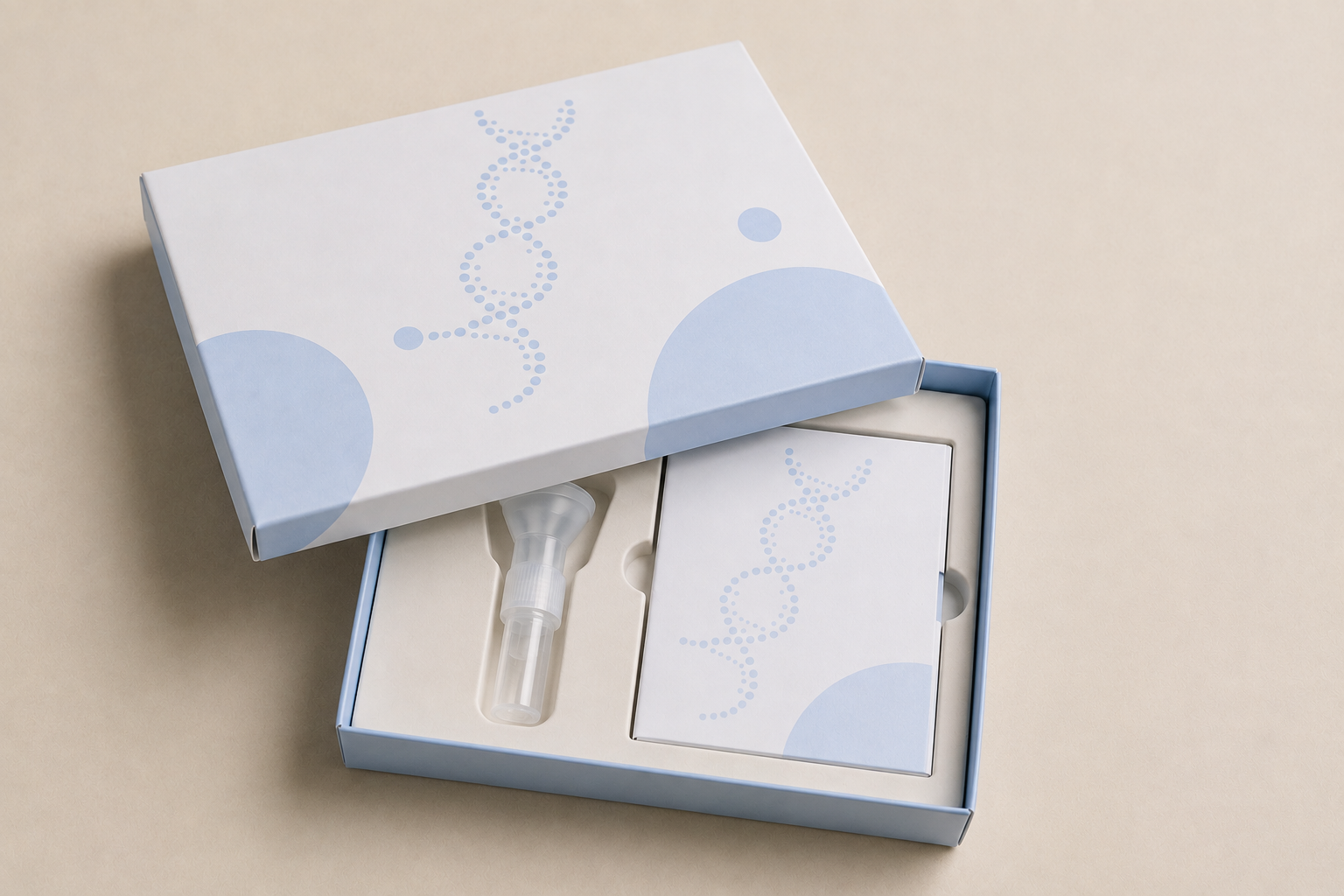
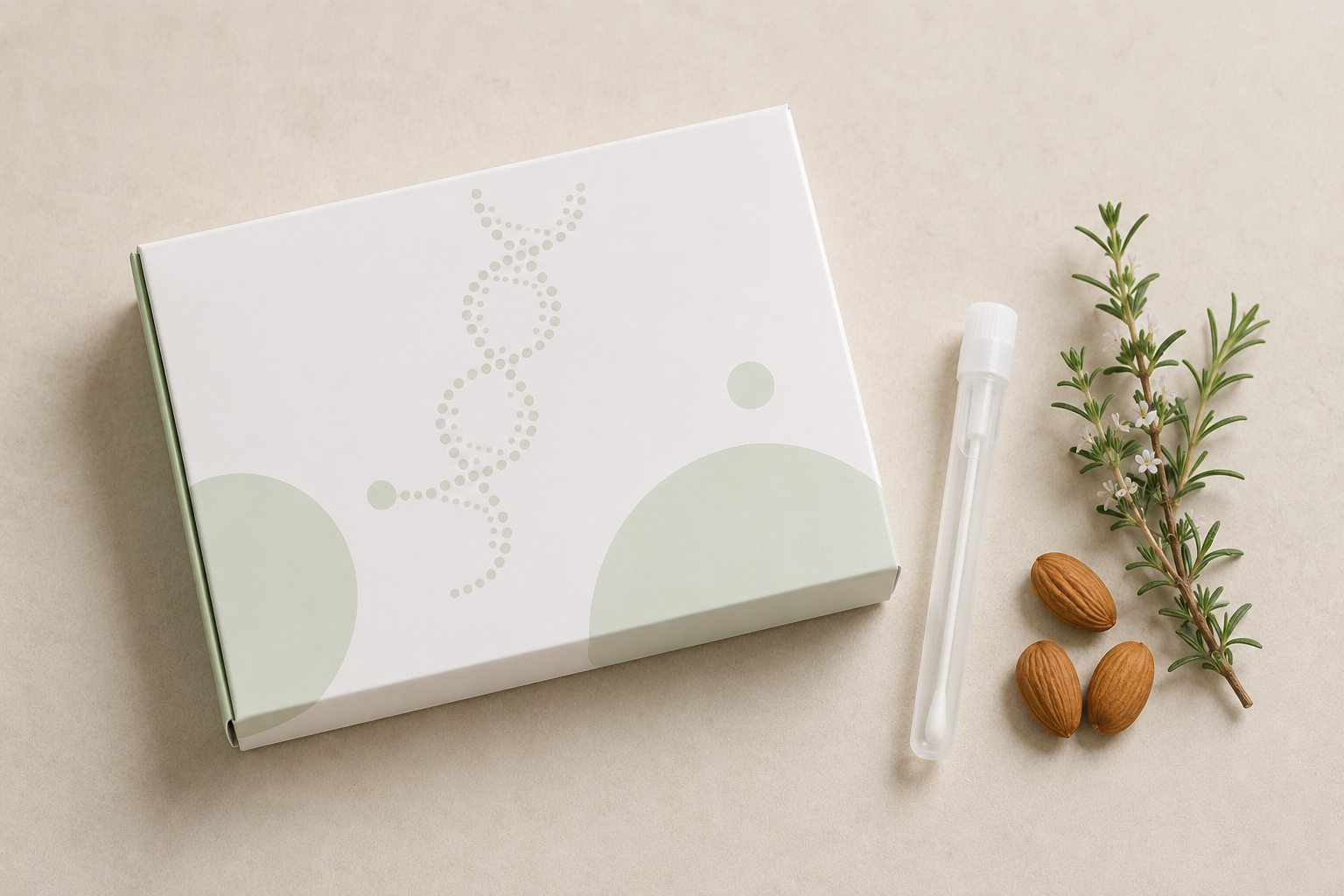
Include a note about what to expect, not just the box. A short card explaining roughly how long results will take, and that the process is simple (spit or swab, mail it back), removes a lot of the initial hesitation some people feel about starting.
Offer to help with setup if needed, especially for older recipients. The account registration and activation step trips up more people than the actual sample collection does.
Gently mention the possibility of unexpected results, without being ominous about it. A brief, low-key “just so you know, sometimes these turn up surprises — nothing to worry about, just something people don’t always expect” can soften the landing if something unusual does come up later.
Frequently Asked Questions
What’s the best DNA test kit for an older relative? Prioritize ease of use over depth of features — a straightforward sign-up process and clear instructions matter more than advanced tools they may not use.
How far in advance should I buy a DNA kit as a gift? Order at least two months ahead if you want results to arrive in time for a specific occasion or follow-up conversation, especially for kits with longer processing windows.
Should I test my own DNA before gifting a kit to someone else? Not necessary, but it can help you speak from experience about what the process and results actually involve, which can make the gift feel more thoughtful.
Timing It Around the Holidays
DNA kits are one of the most heavily discounted gift categories around major holiday seasons, particularly Black Friday through the end of December. Prices on the kits themselves often drop noticeably compared to the rest of the year, though processing times can stretch longer than usual as labs handle a surge in orders all at once.
If you’re buying for a holiday gift specifically, it’s worth deciding upfront whether you want the physical box to be part of the surprise (with results arriving later) or whether you’d rather order early enough that results are actually in hand by the big day. Both are common approaches — just be honest with yourself about which one you’re actually going for, since it changes how far in advance you need to order.
The Bottom Line
A DNA test kit can be one of the more meaningful gifts you give — but only if it matches what the recipient is actually curious about, and only if you’ve thought through the small chance of an unexpected result. Pick based on their specific interest, give them a heads-up about the process, and it tends to be a gift people genuinely appreciate rather than one that sits in a drawer.